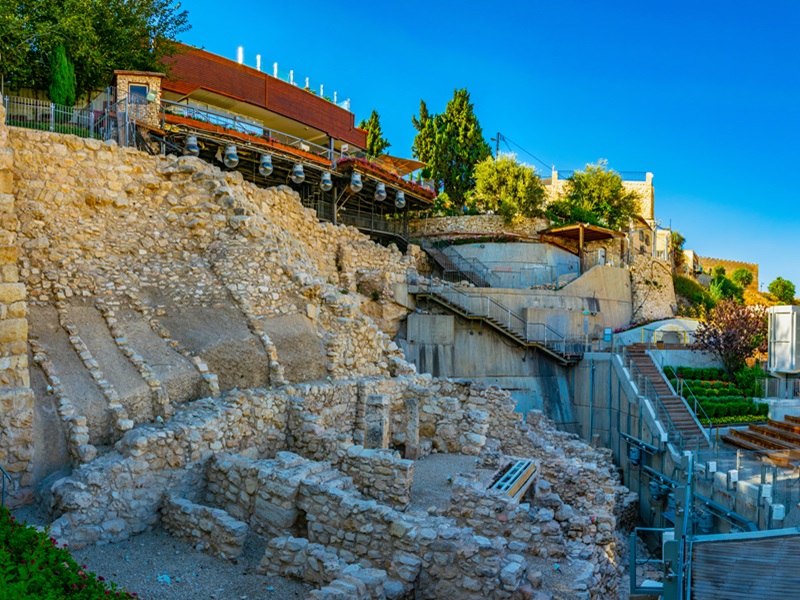
 Your journey begins in the City of David, where excavations revealed monumental fortifications, stepped streets, and water systems that sustained Jerusalem for centuries. Continue to the Pool of Siloam, where pilgrims purified before ascending to the Temple. The Southern Steps still carry the marks of countless worshippers who entered Herod’s sanctuary. At the adjacent Western Wall, stand beside the surviving stones of the Temple complex. Nearby, the Burnt House and Herodian Quarter preserve vivid evidence of Jerusalem’s destruction by Rome in 70 CE. Finally, walk along the Cardo, you trace the path of a Roman marketplace that once formed the heart of Byzantine Jerusalem.
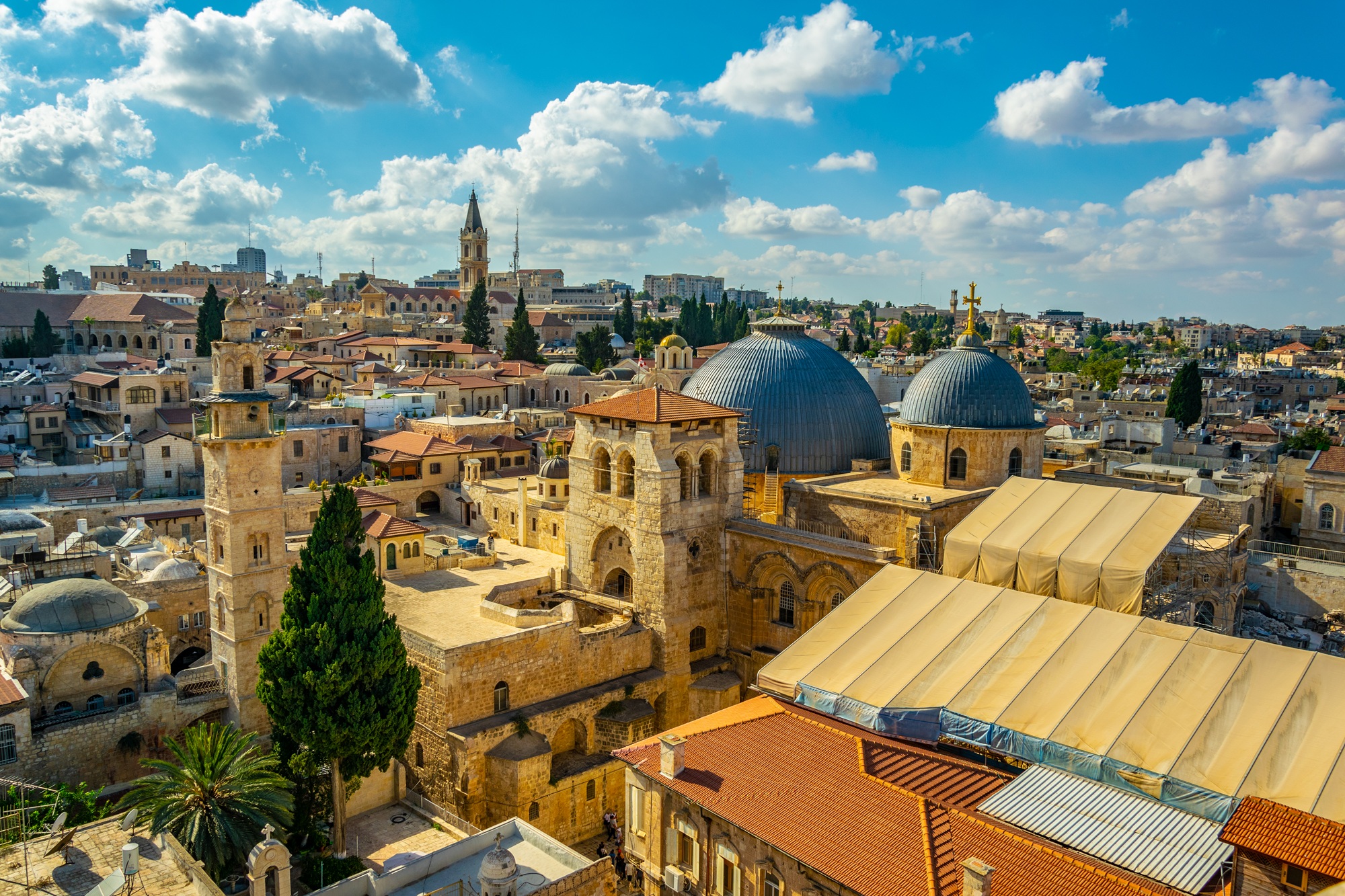 Ascend the Temple Mount, the grand esplanade created by Herod the Great, which still dominates the city skyline. At the Pools of Bethesda, examine the remains of two great reservoirs where healing traditions inspired the Gospel narrative. Following the Via Dolorosa, walk the path that commemorates Jesus’ final journey. The day concludes inside the Church of the Holy Sepulchre, a vast complex that preserves the earliest Christian traditions of Golgotha and the tomb ofJesus beneath layers of Byzantine and Crusader architecture.
 Begin at the Chapel of the Ascension, marking the hilltop where Jesus is said to have risen to heaven. At the adjacent Pater Noster Church, inscriptions in hundreds of languages preserve the words of the Lord’s Prayer. The nearby Cave of the Prophets recalls ancient traditions of prophecy and burial. On the slope, the Dominus Flevit Church offers sweeping views over Jerusalem and is surrounded by first-century Jewish tombs. At the foot of Mount of Olives, the Garden of Gethsemane, gnarled olive trees stand as silent witnesses to centuries of devotion. Continue to the Grotto of Gethsemane and Mary’s Tomb, long revered since Byzantine times. Conclude among the monumental rock-cut mausolea of the Kidron Valley Tombs, built for Jerusalem’s elite during the Second Temple period.
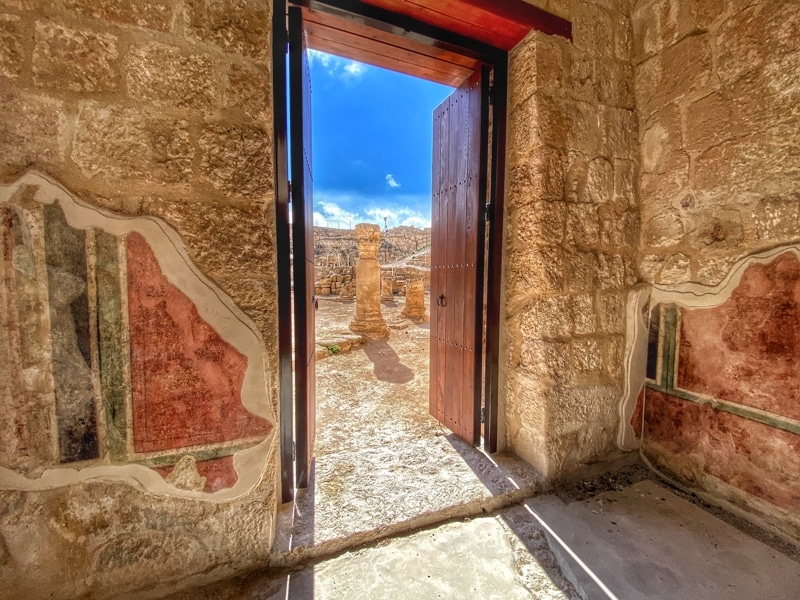 Trace the remains of the Third Wall, hurriedly built in Jerusalem’s final days before Rome’s conquest. At the Garden Tomb, encounter a quiet setting that many believe evokes the Resurrection. The nearby Rockefeller Museum offers a variety of finds made during the British Mandate period in a beautiful museum setting. Continue to Zedekiah’s Cave and descend into a massive ancient quarry that once supplied stones for Jerusalem’s great monuments. The day concludes at Herodium, Herod’s desert palace and fortress, where a monumental stairway and lavish structures surround the hilltop tomb identified as Herod’s final resting place.
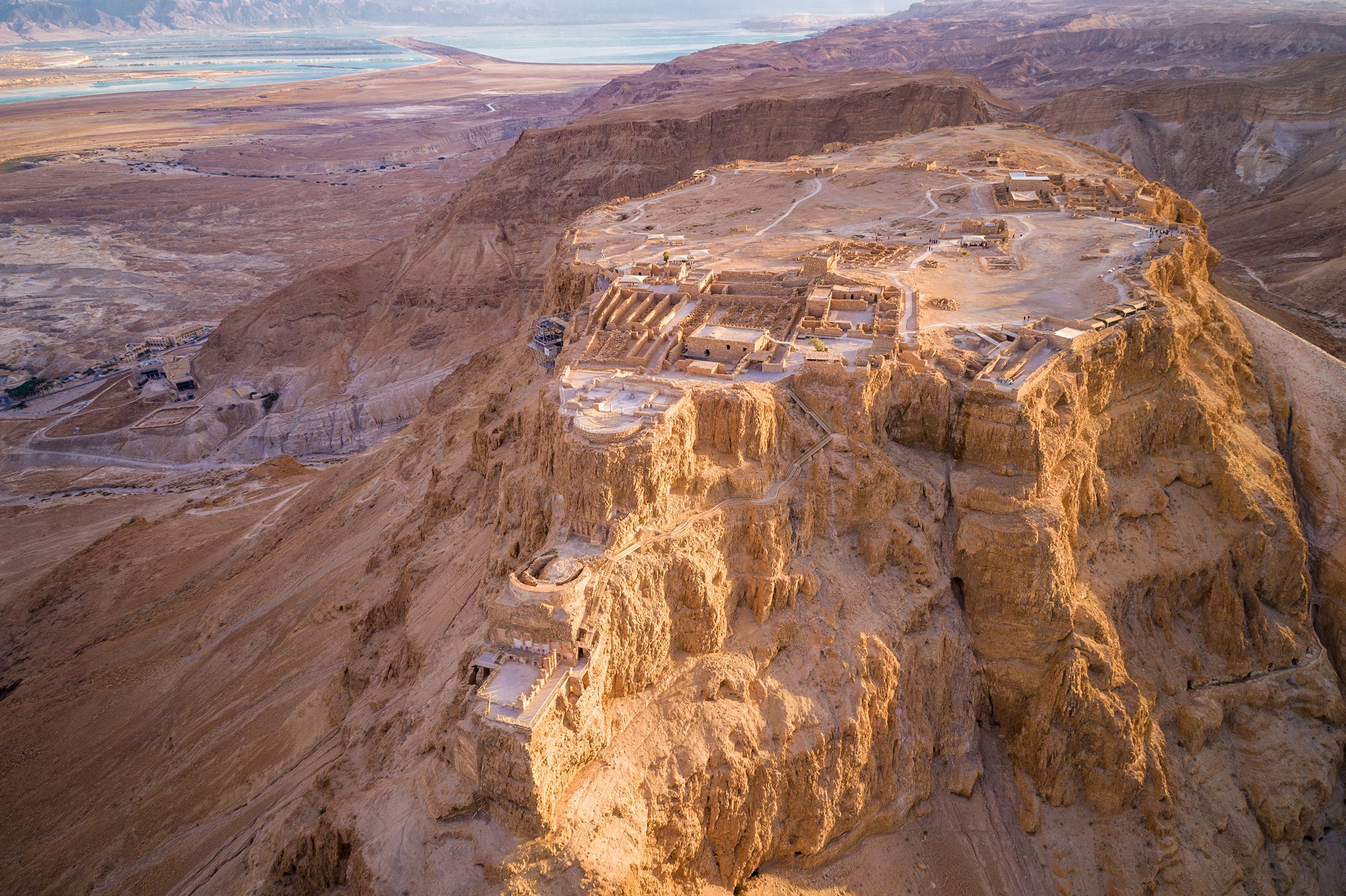 From Jerusalem, descend to the Jordan Valley for a view over Jericho, considered the world’s oldest city, and known for its conquest by Joshua according to the biblical narrative. At Qumran, face the caves where the famous Dead Sea Scrolls, the oldest biblical manuscripts known, were hidden for centuries. Continue to Ein Gedi and visit the ancient synagogue, whose mysterious mosaic inscriptions speak of community secrets. The day culminates at Masada, Herod’s dramatic desert fortress, where palaces, frescoes, and storerooms overlook the shimmering waters of the Dead Sea.
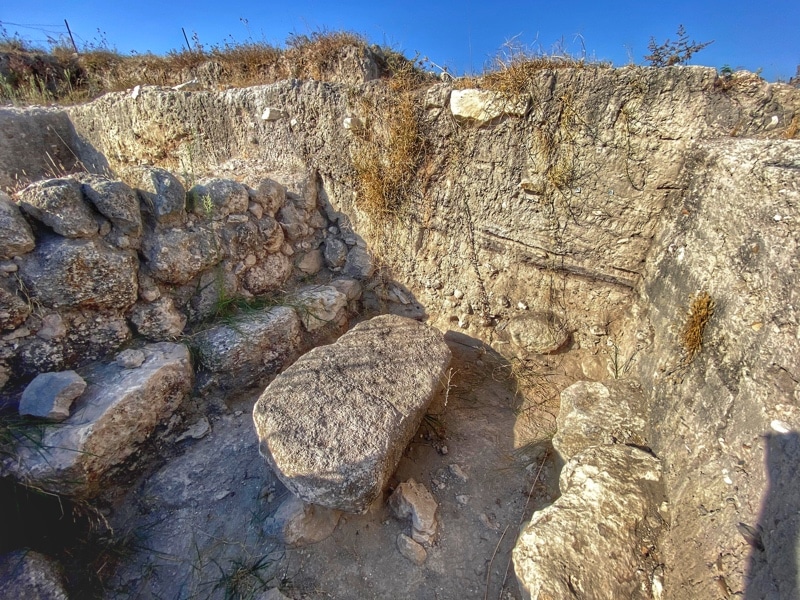 Start at Tel Beth-Shemesh, where excavations recall the Ark of the Covenant’s return from Philistine captivity. At Kiryat Yaarim, tradition places the Ark’s resting place for 2 decades, later crowned by a hilltop monastery. In Abu Gosh, enter a perfectly preserved Crusader church built over a spring. Finally, explore Motza, where archaeologists uncovered a remarkable Iron Age temple, possibly another rest site of the Ark of the Covenant.
 Stand in the Valley of Elah, where David famously defeated Goliath, a landscape that still evokes the biblical story. At Maresha, descend into labyrinthine caves once used for storage, industry, and burial. In adjacent Beit Guvrin, explore a Roman amphitheater and a Crusaders church that testify to centuries of occupation. At Tel Lachish, climb the site of Judah’s second city, where massive gates and the remains of a siege ramp bear witness to Assyrian conquest. Finish at a site possibly identified with Ziklag, long associated with David’s refuge during his struggles with Saul.
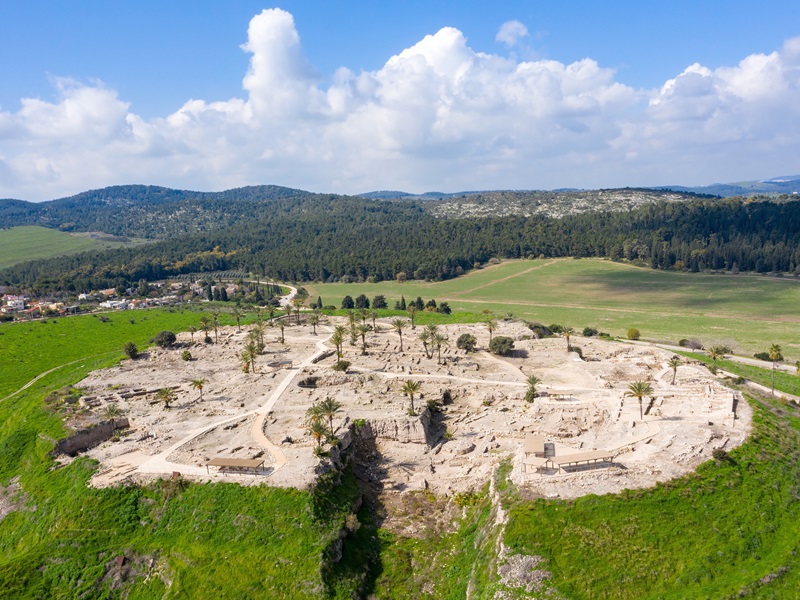 Travel north to Emmaus, where tradition holds that the risen Jesus appeared to two disciples. Further north, at Tel Megiddo, a UNESCO World Heritage Site, explore monumental finds at a place long linked with the prophecy of Armageddon. Reaching the Sea of Galilee, in Capernaum, walk through the ruins of a synagogue and see remains of what is believed to be Peter’s house. The day concludes at Magdala, where a first-century synagogue, ritual baths, and mosaics connect to Mary Magdalene’s hometown.
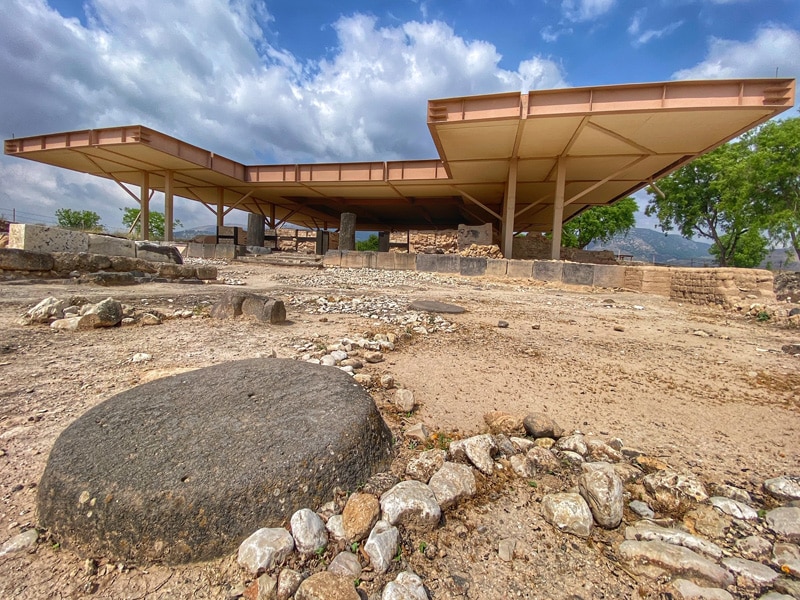 Begin with the Galilee Boat, a fishing vessel preserved from the first century, offering a rare glimpse into daily life in the time of Jesus. At Tel Hazor, the largest biblical city, explore its royal palace and fortifications, destroyed in fiery conquest, possibly by Joshua. Further north, at Tel Dan, pass through the oldest arched gate in the world and examine the remains of a high place of worship. In Caesarea Philippi, niches carved into the rock recall pagan shrines and ancient Christian devotion. The day concludes at Vadum Jacob, also known as Chastellet, a Crusader fortress built to guard the Jordan crossing. Here, you will trace the remains of towers and walls that witnessed fierce conquest by Salah ad-Din in 1179 CE
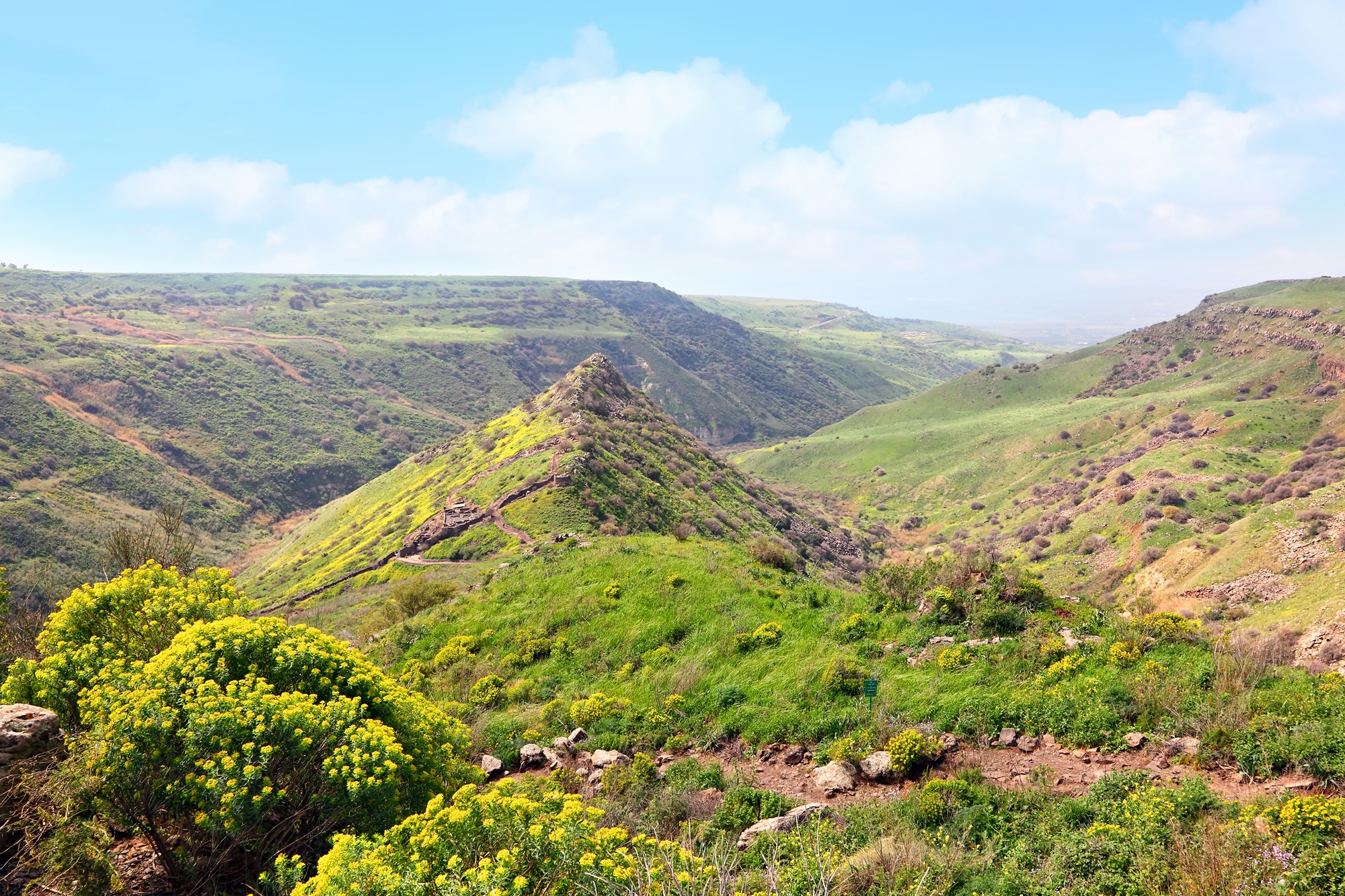 The day begins at Gamla, a Jewish stronghold where a synagogue and city walls fell to Rome during the Great Revolt. South of it, at Ein Keshatot, walk through a beautifully reconstructed basalt synagogue that once served a thriving community. In Hippos, a Decapolis city, trace Roman streets and admire the remains of Byzantine churches overlooking the Sea of Galilee. Conclude at Ubeidiya, one of the earliest human sites outside Africa, where stone tools and animal fossils tell the story of humanity’s first migrations.
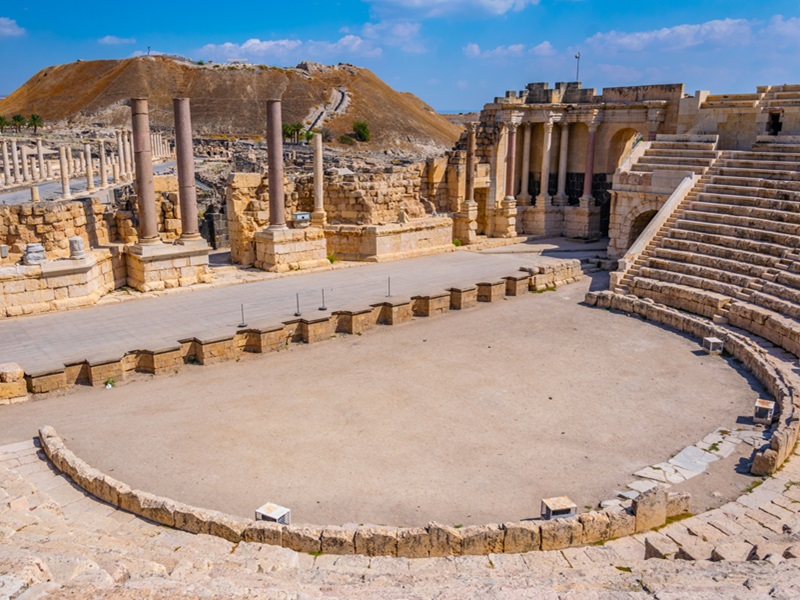 Arrive at Beit Shean, where Israelite ruins are overlain by a splendid Roman-Byzantine city with colonnaded streets and a grand theater. At Beth Alpha, the ancient synagogue floor is known for its colorful zodiac mosaic surrounding biblical scenes. Returning to Tiberias, at Hamath Tiberias, another synagogue reveals mosaics with menorahs and shofars, reflecting Jewish life under Byzantine rule. End in Ancient Tiberias, once a center of Jewish learning, where Roman baths and early churches shaped Galilee’s spiritual landscape.
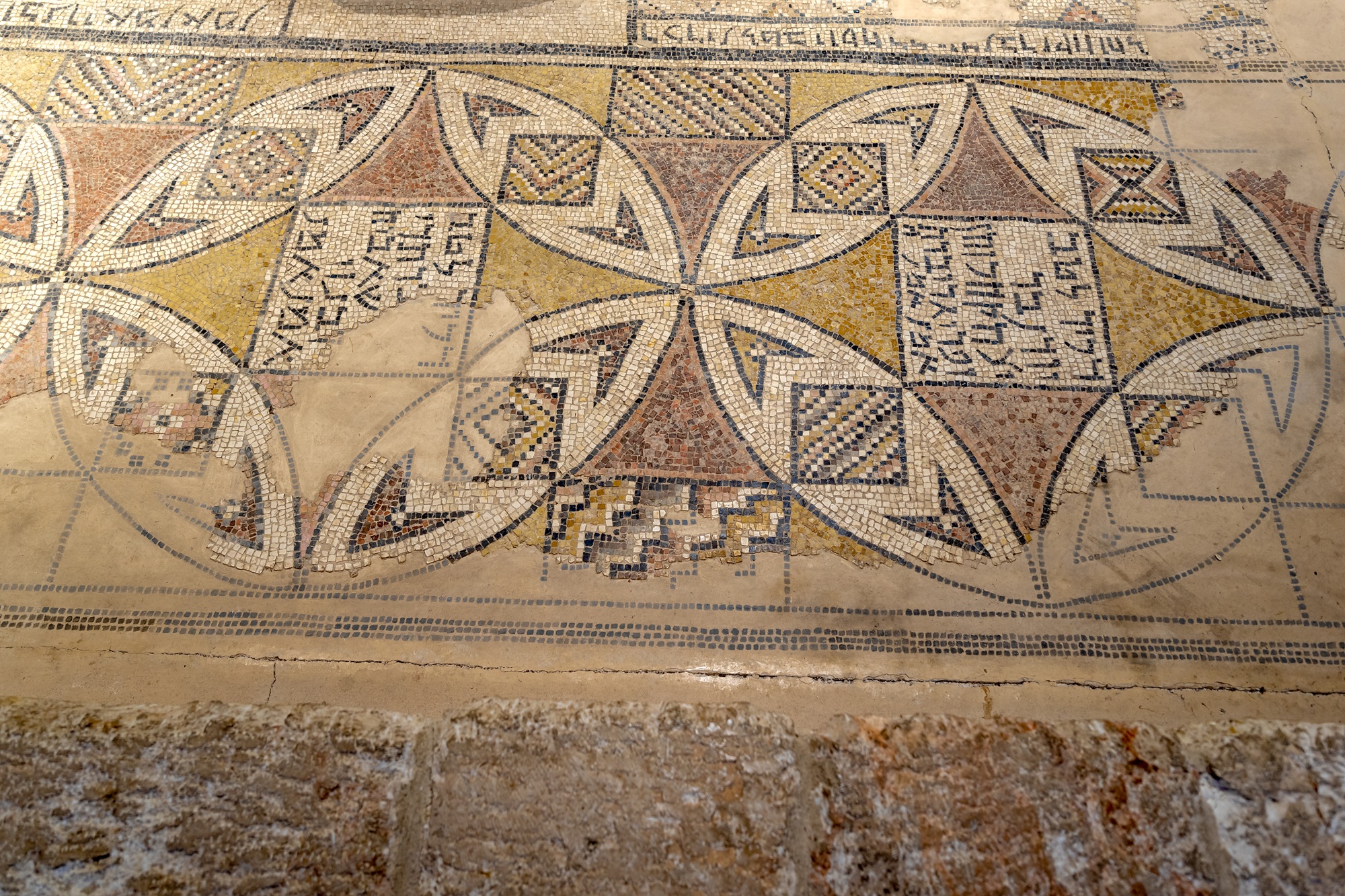 In Cana, visit the Church commemorating the Wedding Feast, built over an ancient synagogue, linking tradition to archaeology. In Nazareth, the Church of the Annunciation rises above layers of first-century homes and silos that connect the city to the time of Jesus. At Sepphoris, Galilee’s Roman capital, explore theaters, colonnaded streets, and mosaics, including the celebrated “Mona Lisa of the Galilee,” reflecting the city’s cultural richness.
 Explore in Akko, a city where Crusader halls, tunnels, and fortifications overlay Hellenistic and Roman remains, telling a story of layered civilizations. On Mount Carmel, enter prehistoric caves where human burials and tools shed light on early culture. Finally, explore Caesarea Maritima, the great harbor city of Herod the Great, with its theater, aqueducts, and hippodrome. Here inscriptions confirm the rule of Pontius Pilate and the possobile site of Paul’s prison.
Unearthing Faith and History
On this immersive 13-day journey, you will explore Israel’s most significant archaeological sites where scripture, history, and material culture converge. Guided by an expert in biblical archaeology, you will uncover ancient cities, fortresses, and sacred landscapes that illuminate both biblical narratives and daily life in antiquity. Each day reveals new discoveries, from prehistoric caves to monumental Roman cities, allowing you to walk where prophets, kings, and disciples once stood.