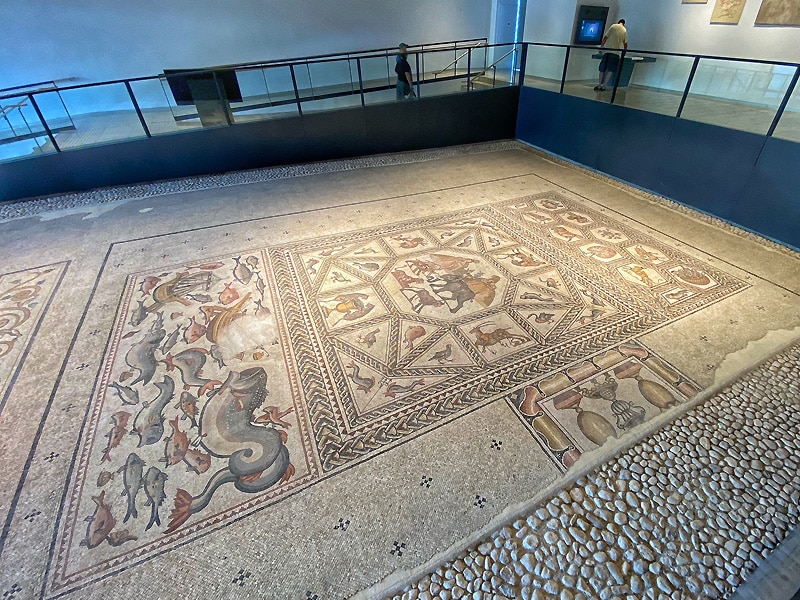
 Welcome to Israel! After arrival, you visit the Lod Mosaic Floor, one of the most spectacular Roman mosaics ever discovered, filled with mythological figures, exotic animals, and intricate hunting scenes. Continue to the Maccabean Tombs, rock-cut burial chambers attributed to the Hasmonean dynasty, who defended Jewish identity during the Hellenistic era. Later, explore Jaffa, one of the world’s oldest ports, where excavations revealed an Egyptian Triumphal arch, and Roman-period harbor installations that made the city a vital gateway.
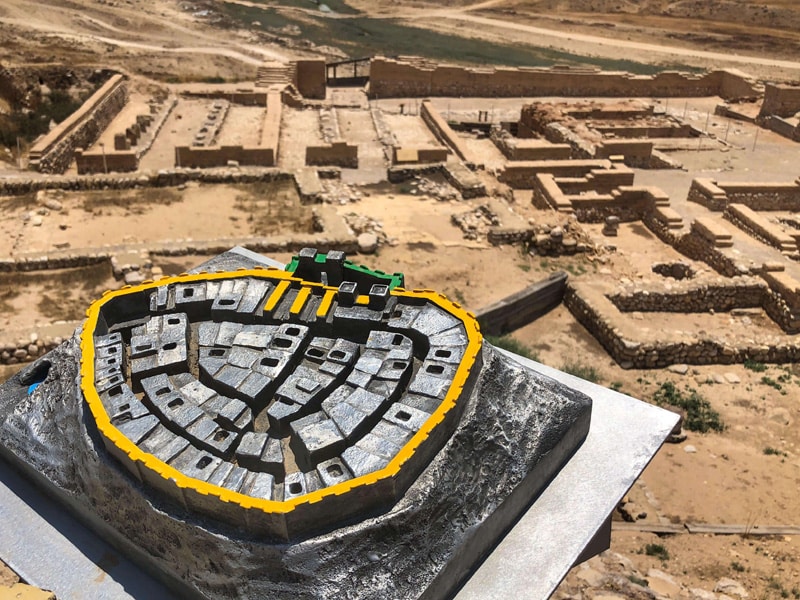 Heading south, pass by Tel Ashdod, a Philistine city that once held the Ark of the Covenant. Continue to Tel Ashkelon, where archaeologists uncovered the world’s oldest arched city gate, Canaanite shrines and massive medieval fortifications. Heading east, at Tel Be’er Sheva, walk past the reconstructed city gate, along four-room Israelite houses, and a remarkable ancient water system. The day ends at Tel Arad, where the remains of a unique Israelite temple complex shed light on parallel worship practices to Jerusalem’s Temple.
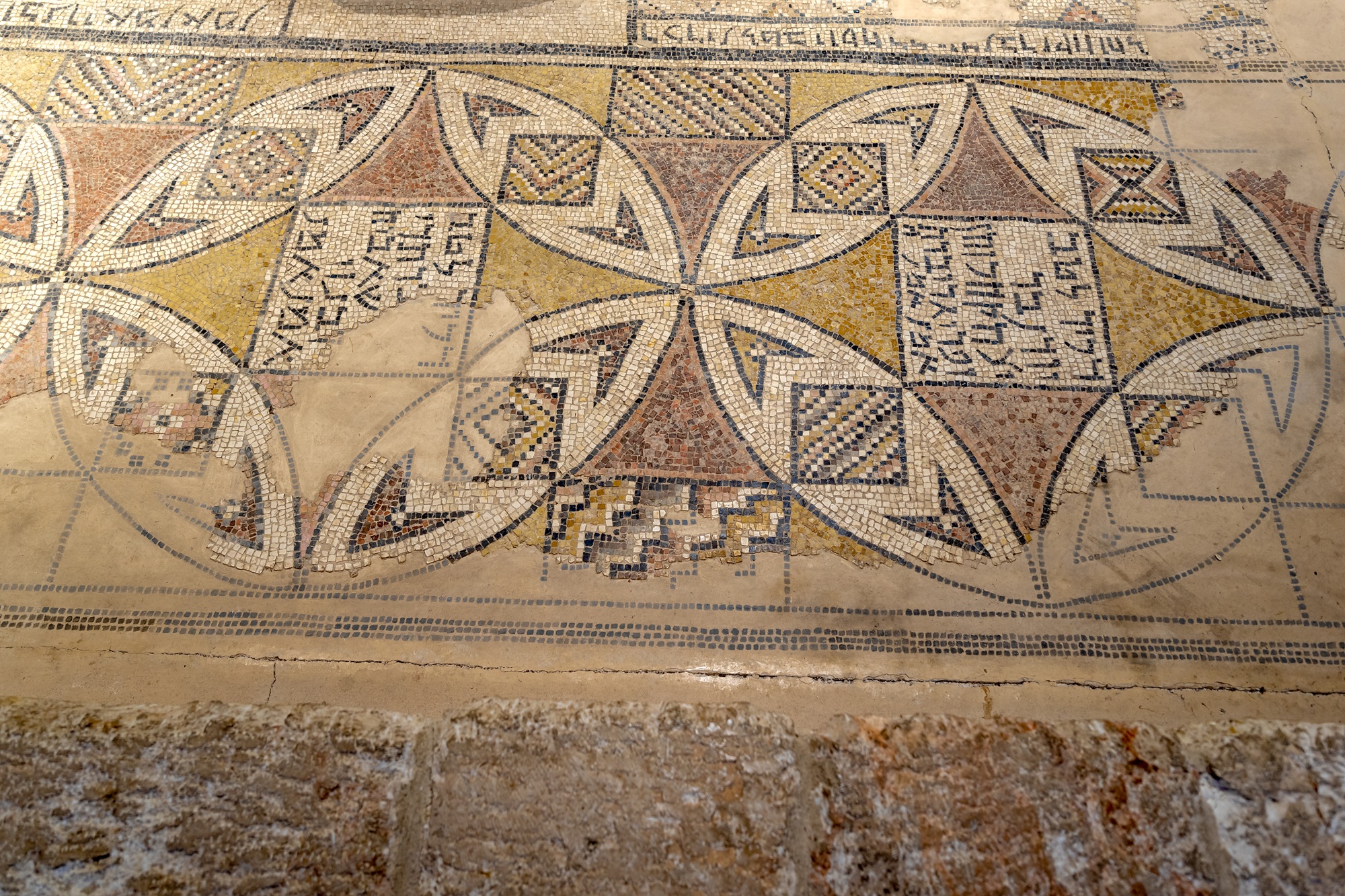
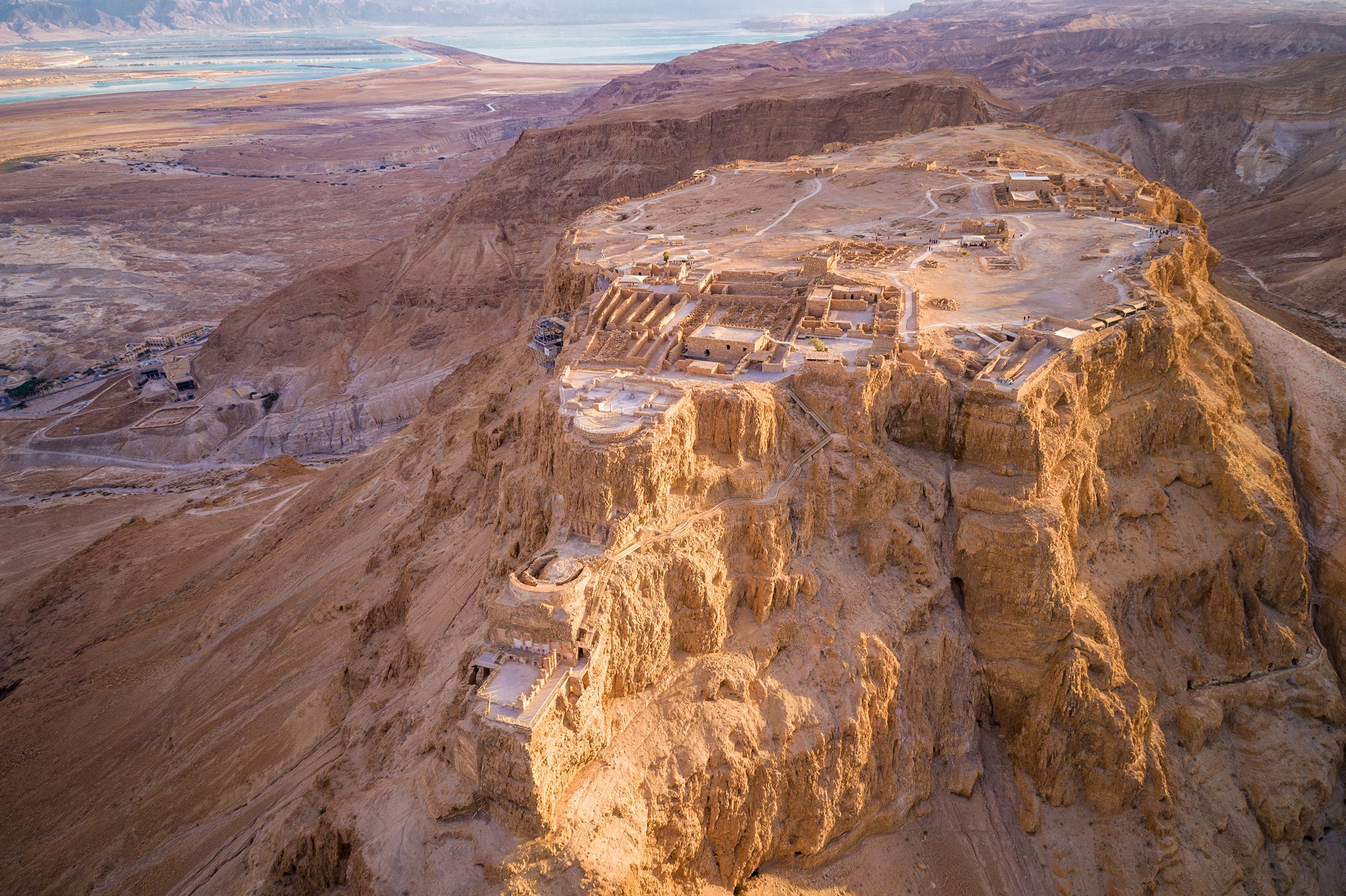 Ascend Masada, where Herod’s palaces, storerooms, and fortifications crown a desert plateau. Excavations here revealed frescoes, Roman bathhouses, and weapons from the dramatic Jewish revolt. Further north, at the Ein Gedi Ancient Synagogue, see an elaborate mosaic with inscriptions warning community members against revealing the “secret of the town.” Continue to Qumran, where caves held the Dead Sea Scrolls. These biblical manuscripts and sectarian writings transformed our understanding of Judaism in Jesus’ time. The day ends with a view of Jericho, one of the world’s oldest cities, and an introductory view of Jerusalem from Mount of Olives.
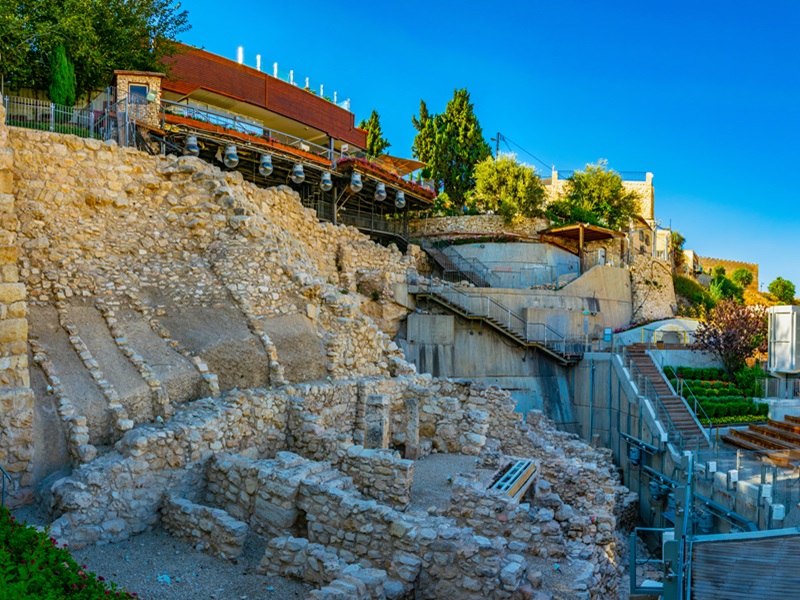 Begin in the City of David, where excavations revealed monumental stone structures, Hezekiah’s water tunnel, and the Pool of Siloam. At the Southern Wall, walk the monumental steps that pilgrims once ascended toward the Temple. Pause at the Western Wall, the last surviving remnant of Herod’s expanded sanctuary. Continue along the Via Dolorosa, retracing Jesus’ final path, culminating at the Church of the Holy Sepulchre, where archaeological layers testify to Byzantine, Crusader, and modern devotion.
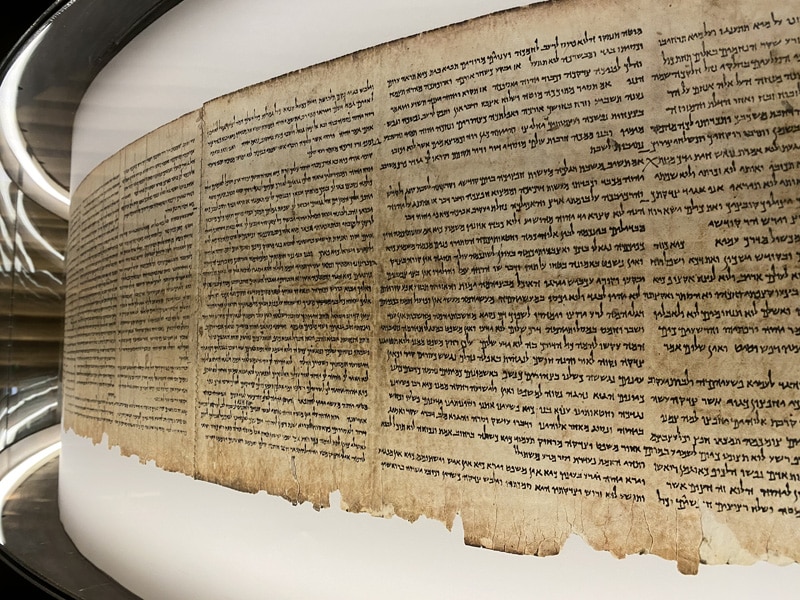 Start at the Garden of Gethsemane, where ancient olive trees recall Jesus’ prayers and where nearby excavations revealed ancient Churches. Crossing the Kidron, on Mount Zion, visit the traditional Room of the Last Supper, the Pentecost site, and the memorial of King David’s tomb. Next, enter the Jewish Quarter, and track remains of Hezekiah’s Broad Wall, the Roman Cardo street, and priestly homes destroyed in 70 CE. The afternoon is devoted to the Israel Museum, where you’ll visit the Shrine of the Book, a first-century model of Jerusalem, and the archaeological wing’s treasures from every period of the Holy Land.
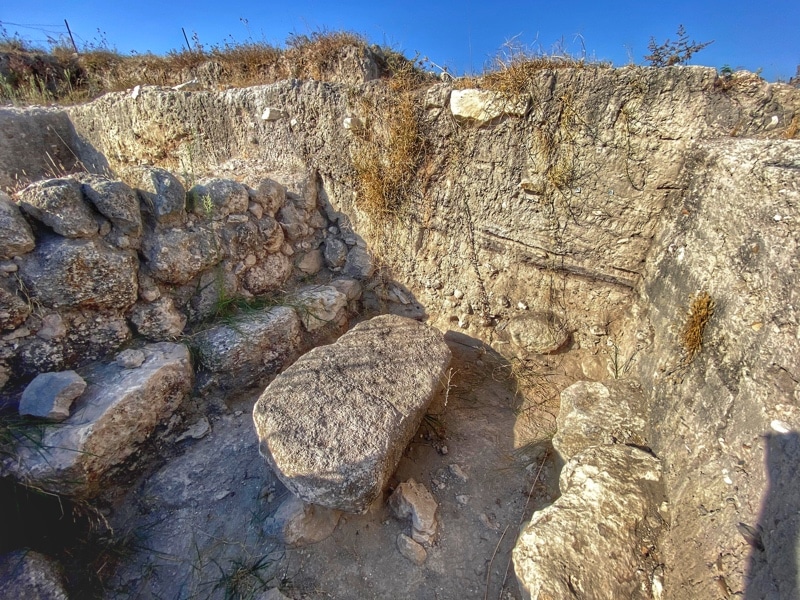 Head to Tel Beth-Shemesh, where you’ll see remains relating to where the Ark was returned by the Philistines. Continue to Kiryat Yaarim, where the Ark rested for decades, now marked by a hilltop church. In Abu Gosh, visit a Crusader church built over Roman remains, resonant with echoes of sacred worship through the ages. End at Motza, where archaeologists uncovered a rare Iron Age temple, including an altar and offering vessels, where some suggest the Ark rested.
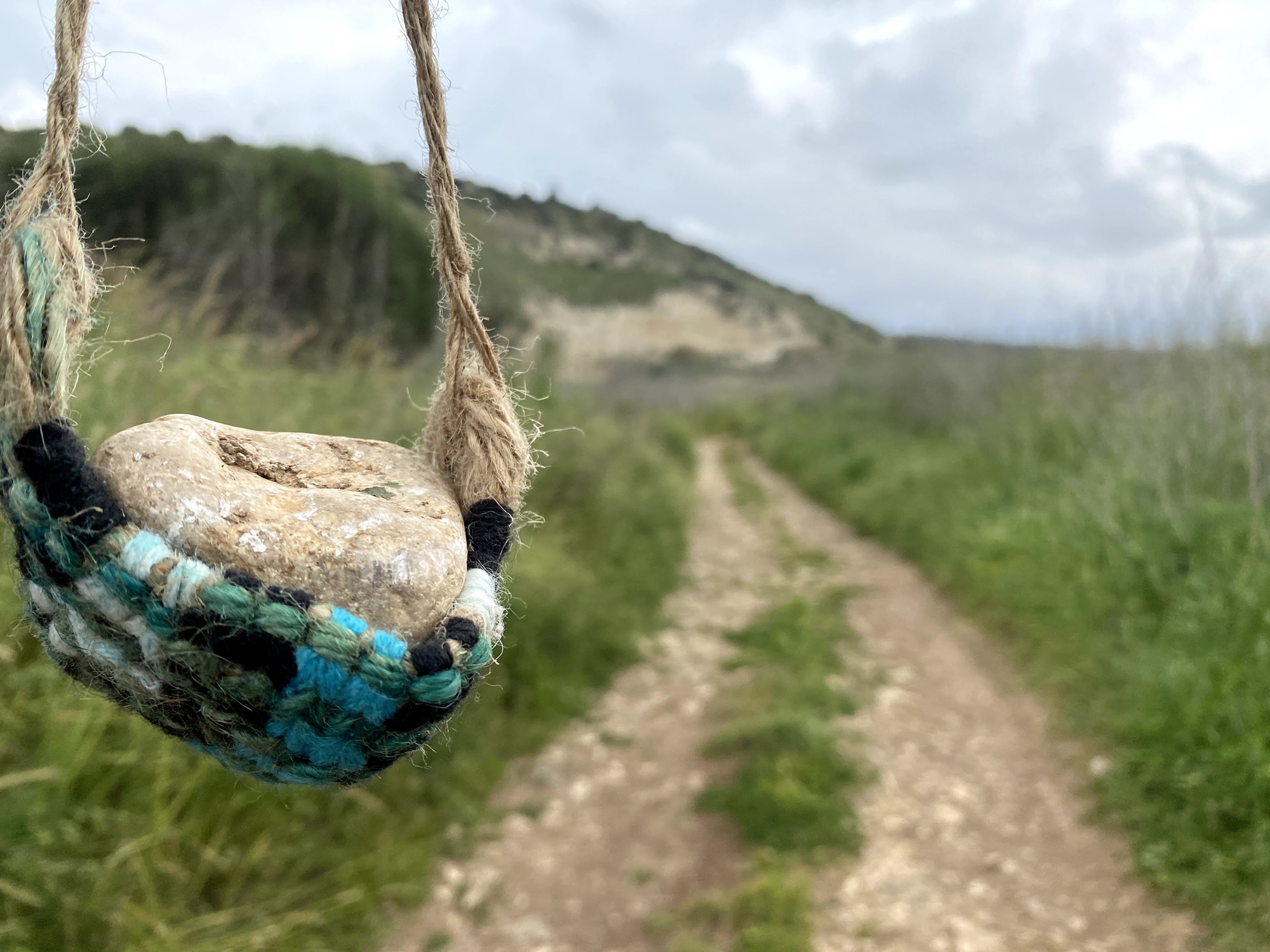 Begin in the Valley of Elah, where David defeated Goliath, and archaeologists uncovered fortifications at Khirbet Qeiyafa and Tel Azeqah. Further south, at Maresha, explore vast subterranean caves used for olive oil production, burial, and storage during the Hellenistic period. The adjacent Beit Guvrin reveals a Roman amphitheaters and a Crusader era church converted later into a mosque. At Tel Lachish, Judah’s second most important city, walk past a massive city gate, the Assyrian siege ramp, and palace ruins vividly described in the Bible and Assyrian reliefs.
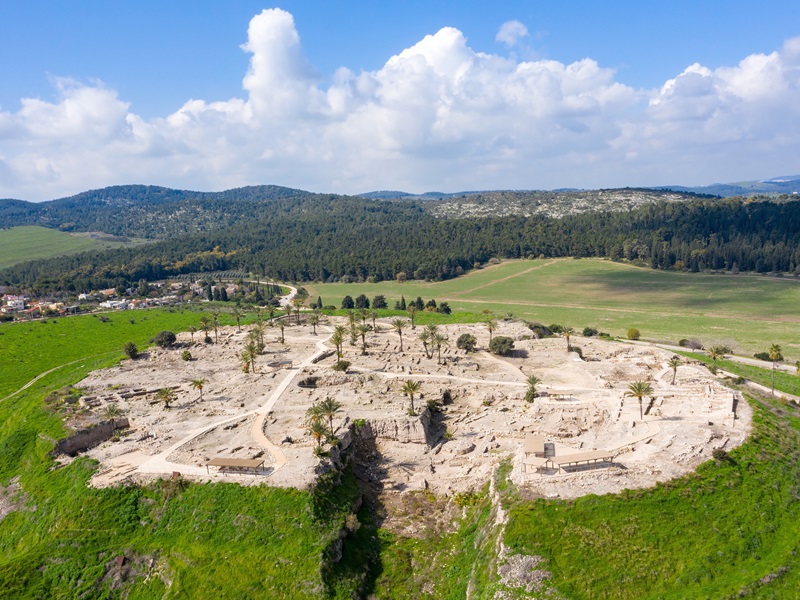 At Emmaus, visit a site linked to the post-resurrection appearance of Jesus, where Crusader and Byzantine remains overlay Roman structures. Heading nort, at Tel Megiddo, explore monumental gates, palaces, stables, and water systems from a city central to biblical battles and the prophecy of Armageddon. Reaching the Sea of Galilee, in Capernaum, walk among the basalt remains of a synagogue where Jesus taught. Review also the house traditionally identified as Peter’s home. Conclude the day at Magdala, where excavations revealed a first-century synagogue with a unique carved stone altar.
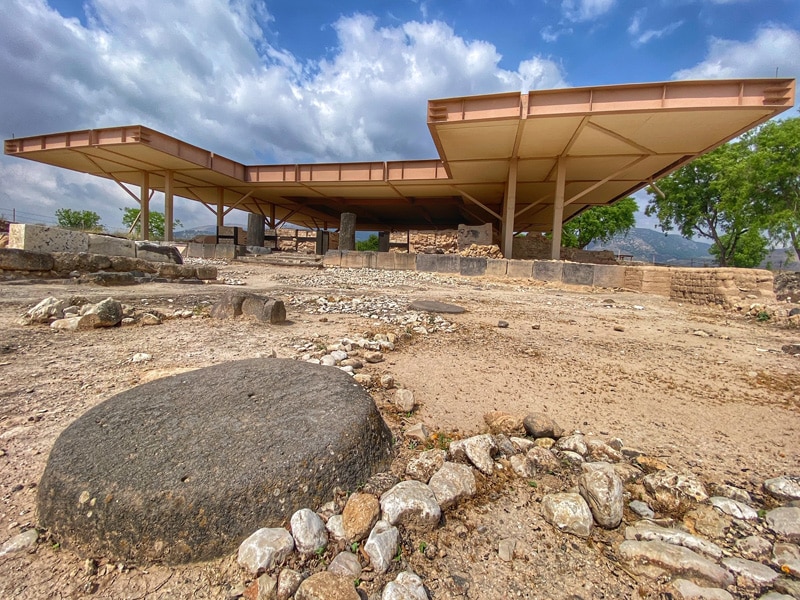 Strat the day visiting the Galilee Boat, a fishing vessel from the first century discovered in the mud of the lake, connecting you to daily life in Jesus’ time. Ascending into northern Galilee, at Tel Hazor, the largest biblical-era city, walk through a royal palace, fortified gates, and massive destruction layers linked to the conquest stories in Joshua. Close to the Lebanese border, at Tel Dan stand before the impressive Canaanite gate and the Israelite cultic high place where a monumental altar once stood. Nearby, visit Caesarea Philippi, where shrines to Pan and Augustus carved into the rock illustrate Greco-Roman worship. The day ends at Vadum Jacob (Chastellet), where Crusader fortifications still guard the Jordan crossing.
 In Cana, visit the church commemorating Jesus’ first miracle, where excavations beneath revealed a Byzantine-era synagogue and a large stone vat. In nearby Nazareth, explore remains of first-century homes beneath and around the Church of the Annunciation, which illuminate Jesus’ childhood setting. At Sepphoris, walk through Roman streets, see the grand theater, and admire the famous Nile Festival mosaic, which illustrates Galilee’s multicultural world.
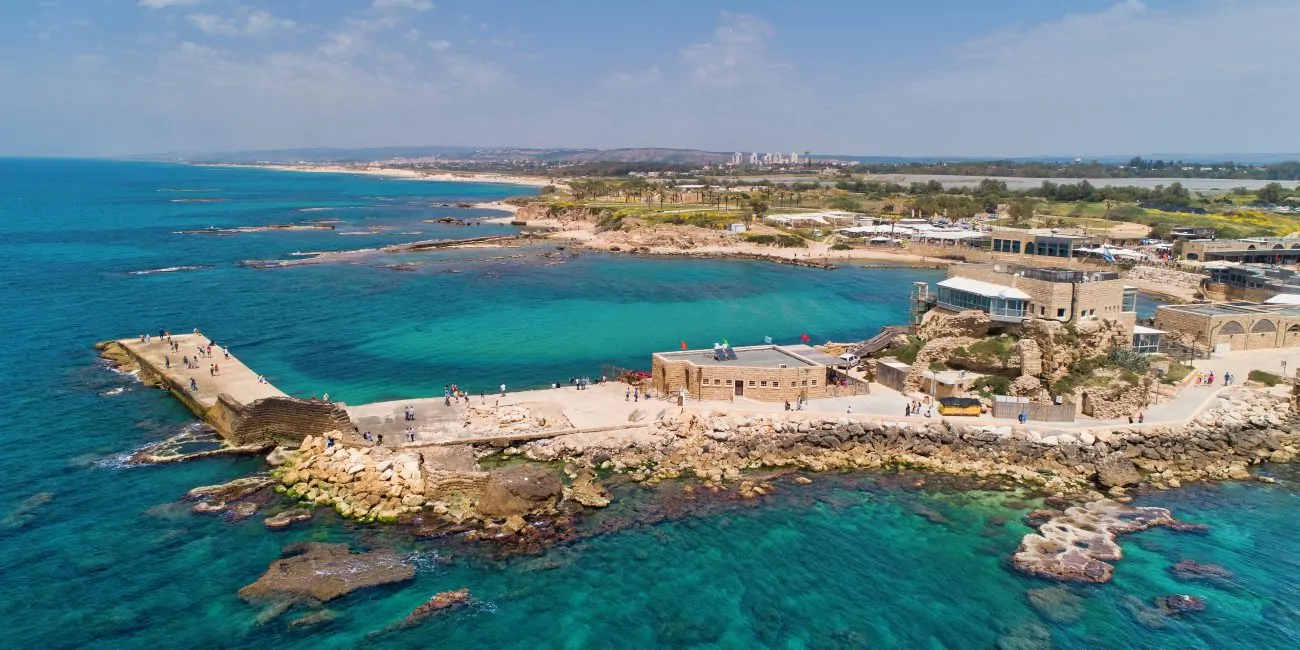
 Begin in Akko, where massive Crusader halls and underground passages sit above Phoenician, Hellenistic, and Roman remains, making it a city of layers. Further south, at the Carmel Caves, encounter rich prehistoric remains of Homo sapiens and Neanderthals. Conclude in Caesarea Maritima, Herod’s monumental port city, where excavations uncovered the theater, aqueducts, hippodrome, and Christian remains. This includes an inscription bearing the name of Pontius Pilate, and the possible prison site of Paul. Your journey ends in Tel Aviv, reflecting on the sweep of history from the Stone Age to the Roman Empire.
Stones, Stories, Sacred History
On this handcrafted 11-day journey, you will uncover Israel’s past through its greatest archaeological treasures. Guided by an expert in biblical archaeology, you will explore ancient cities, fortresses, and synagogues where scripture and history meet. Each site reveals layers of civilizations that shaped faith, culture, and tradition.