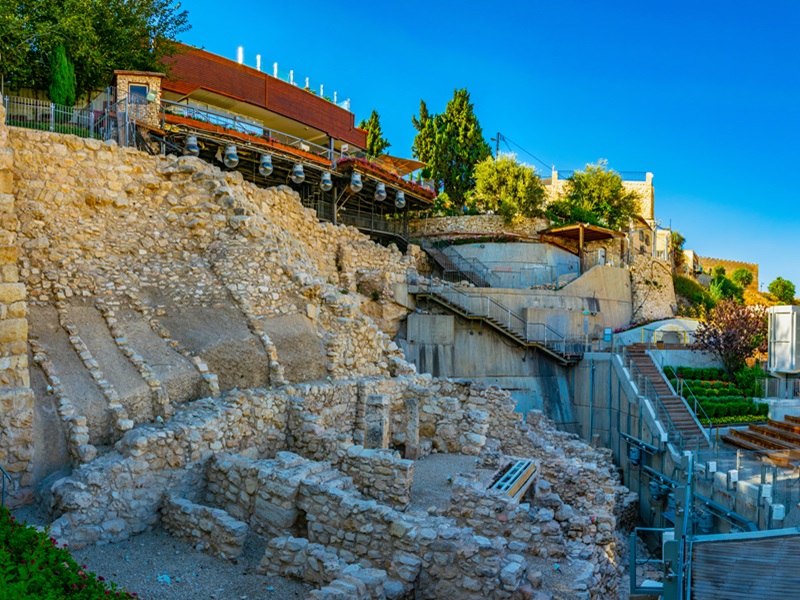
 Begin at the City of David, the original Jerusalem, where excavations reveal fortifications, palaces, and water channels from biblical times. Continue to the Southern Wall Excavations, where pilgrims ascended monumental steps leading to the Second Temple and purified in ritual baths. Stand before the Western Wall, a sacred remnant of Herod’s great temple platform and the holiest site in Judaism. Next, walk the Via Dolorosa, retracing the traditional path of Jesus’ final journey, culminating at the Church of the Holy Sepulchre, venerated as the place of Jesus’ crucifixion, burial, and resurrection.
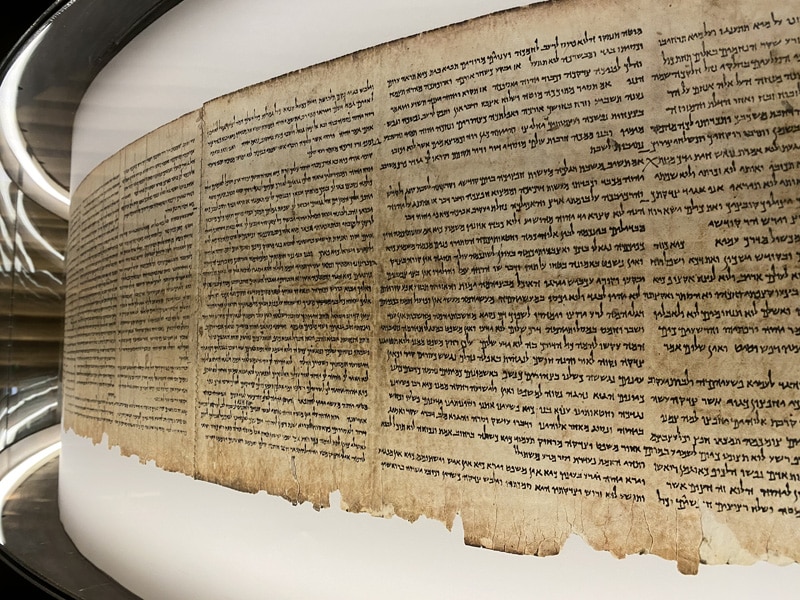 Enter the Garden of Gethsemane, where ancient olive trees recall Jesus’ prayers on the night of his betrayal. Cross the Kidron valley and reach Mount Zion, exploring the Room of the Last Supper, the traditional site of Pentecost, and King David’s memorial. Next, wander through the Jewish Quarter, where archaeological remains include Hezekiah’s Broad Wall and the Roman-era Cardo street. Conclude at the Israel Museum, home to the Dead Sea Scrolls, ancient inscriptions, and priceless artifacts illuminating biblical culture.
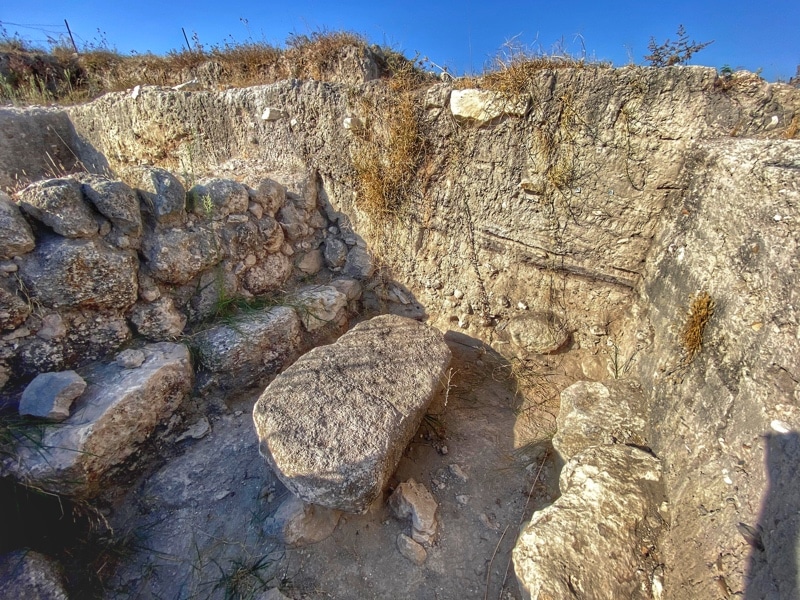 Start at Tel Beth-Shemesh, where the Ark of the Covenant returned from Philistine territory, with Iron Age fortifications and temple remains. Next, visit Kiryat Yaarim, where the Ark rested for decades, revealing ancient shrine platforms. Explore nearby Abu Gosh Church, a Crusader-era church built atop earlier sacred remains. Conclude at the Motza Temple Site, an Israelite sanctuary with early Iron Age altars and ritual installations.
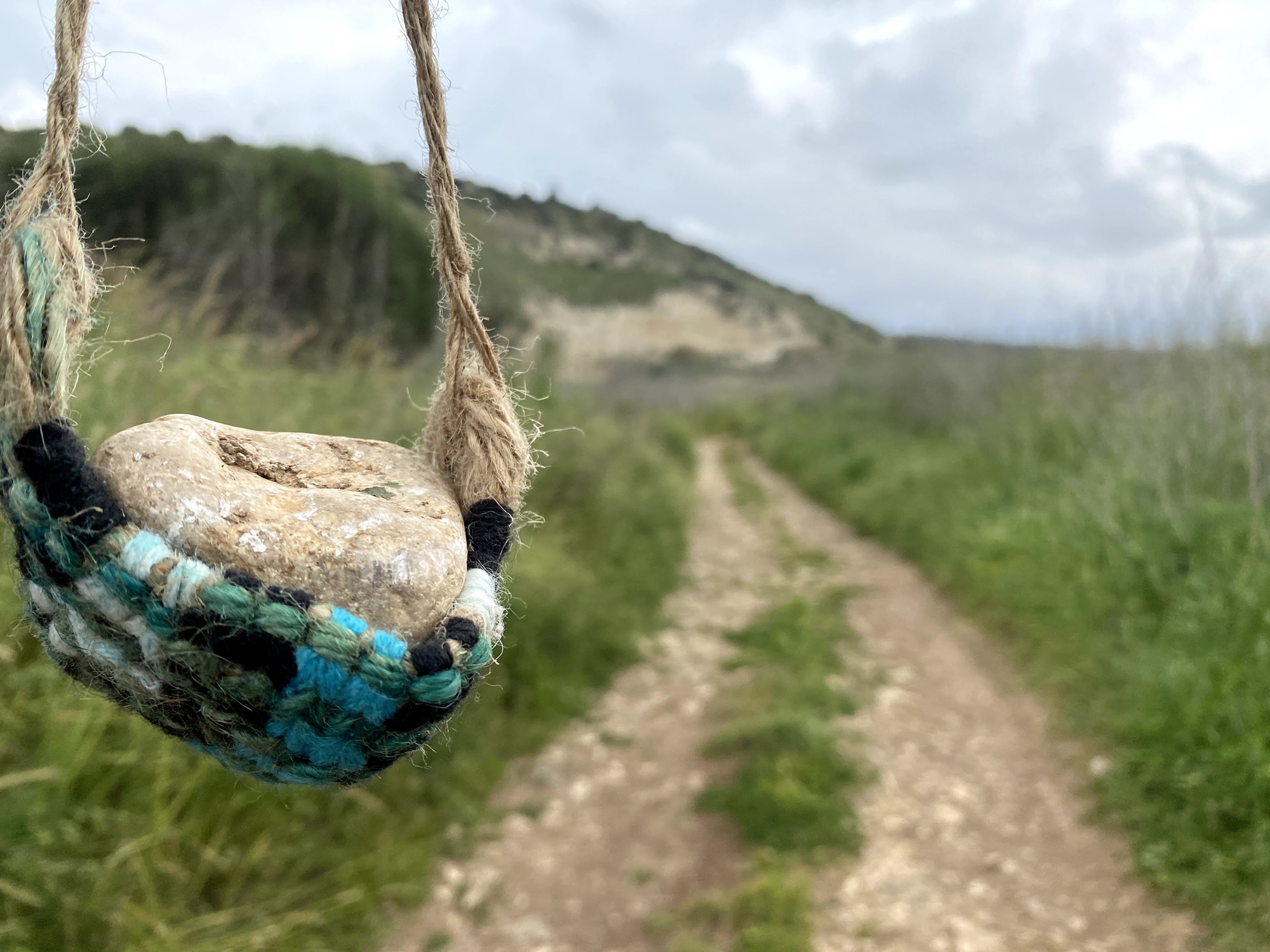 Stand in the Valley of Elah, site of David’s battle with Goliath, surrounded by fortified cities of the Iron Age. Next, explore Maresha, an impressive Hellenistic-period city with underground caves and water systems. Visit nearby Beit Guvrin, known for its extensive cave systems, burial sites, and mosaics reflecting Roman-era life. Reach at Tel Lachish, Judah’s second city with Assyrian siege ramp remains, and conclude at a local winery, connecting ancient agricultural traditions.
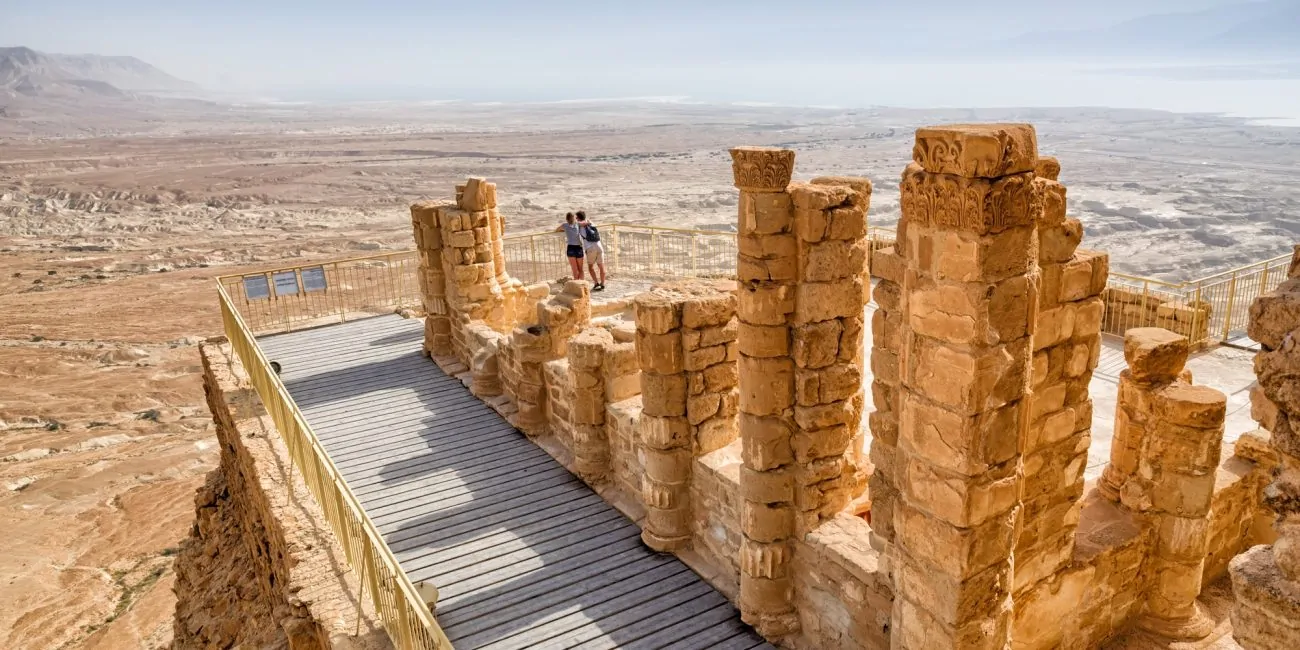
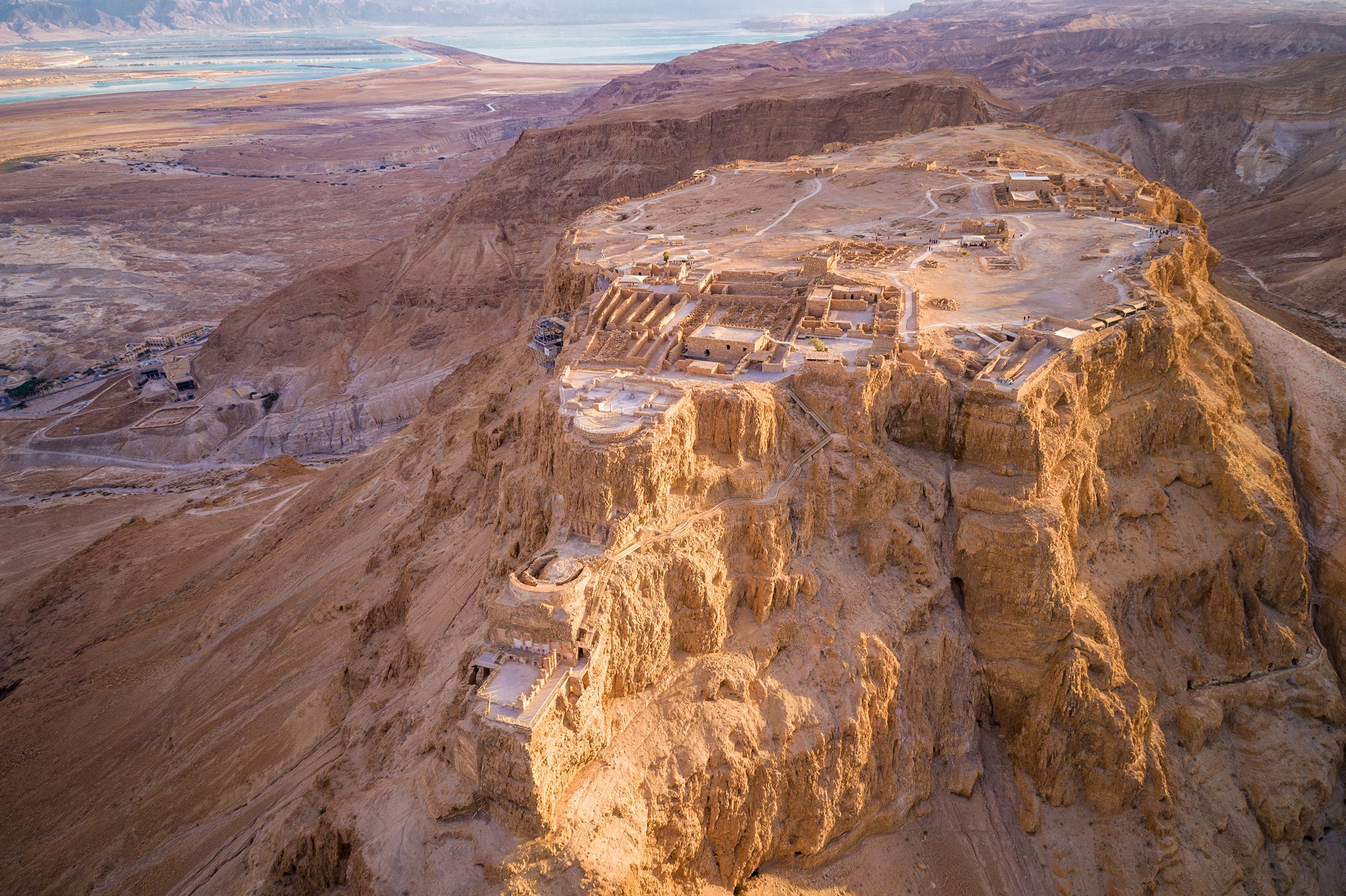 Driving into the Judean Desert, gaze upon Jericho, the world’s oldest city, famed for Joshua’s conquest and impressive ancient fortifications. Nearby, view the Qumran Caves, where the Dead Sea Scrolls were hidden, preserving scripture from over two thousand years ago. Further south, see Ein Gedi’s ancient synagogue, with mosaics mentioning biblical tribes and evidence of a flourishing desert community. Ascend Masada, Herod’s desert fortress and site of the last stand against Rome, with breathtaking desert views. End the day with an optional swim in the Dead Sea, the lowest place on earth with buoyant mineral-rich waters.
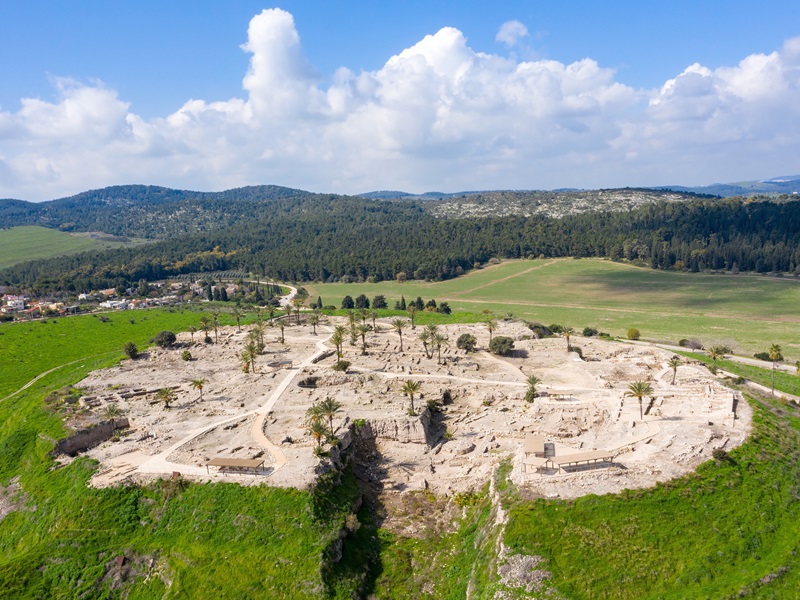 Pause at Emmaus, remembered for Jesus’ appearance after the resurrection, with Roman-era remains marking the site. Next, explore Tel Megiddo, a strategic city of Solomon and prophetic Armageddon, where layers of palaces, gates, and temples are visible. Crossing the Galilee, arrive at Capernaum, Jesus’ Galilean center, with remains of a synagogue and Peter’s house. End at Magdala, hometown of Mary Magdalene, where a first-century synagogue connects directly with the gospel narrative.
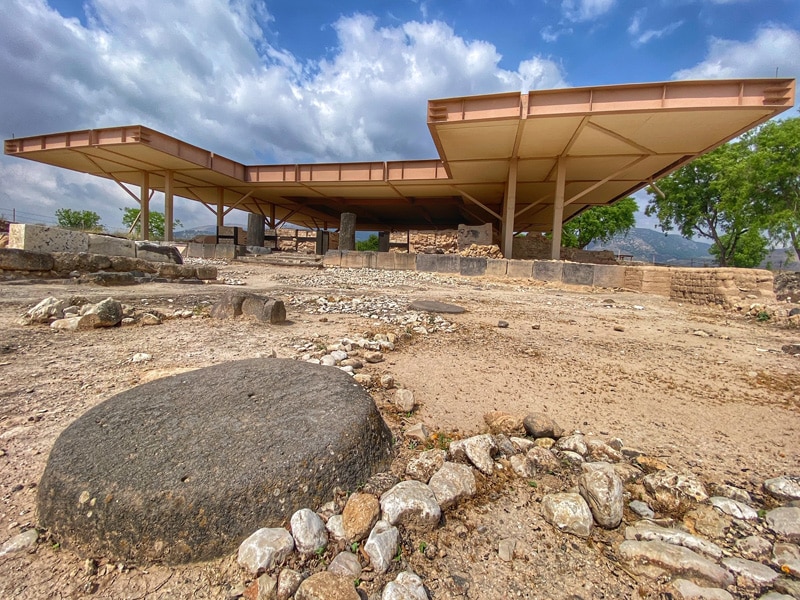 Start at the Boat of the Galilee, a rare first-century fishing vessel preserved from the Sea of Galilee and presented in Kibbutz Ginosar. Continue to Tel Hazor, a Canaanite and Israelite capital mentioned in Joshua’s conquests and Solomon’s reign. Further north, explore Tel Dan, with its ancient city gate and cultic site tied to Israel’s northern kingdom. Continue to Caesarea Philippi, where Jesus asked his disciples, “Who do you say I am?”, with some suprising archaeological finds. End at Vadum Jacob (Chastellet), a Crusader fortress above the Jordan River that stood was destroyed in 1179 CE.
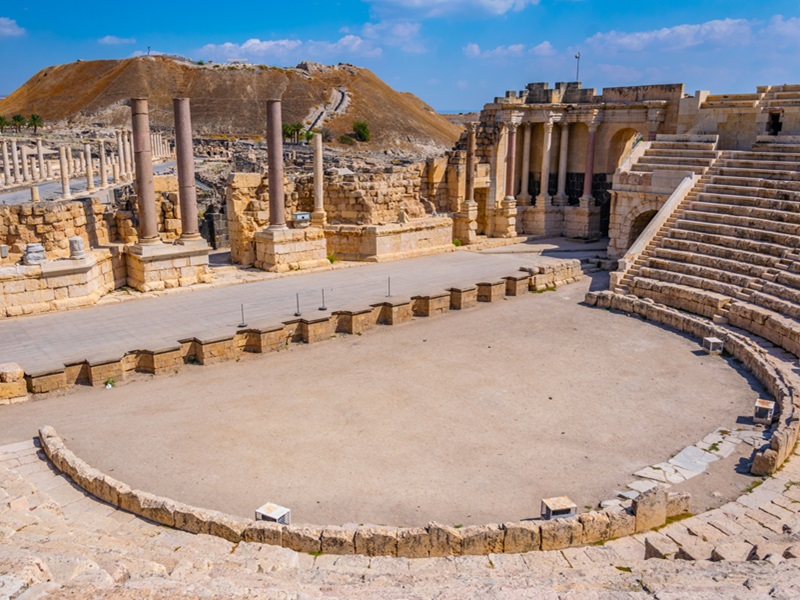 Tour Beit Shean, where Roman and Byzantine ruins overlay an ancient Israelite city, preserving one of the best archaeological sites in Israel. Nearby, visit Beth Alpha, an ancient synagogue with a well-preserved mosaic depicting biblical scenes and a large Zodiac. Heading back to Tiberias, explore Hamath Tiberias ancient synagogue, notable for many dedicatory inscriptions and mosaics and another large size Zodiac. Conclude at ancient Tiberias, founded by Herod Antipas, to view Roman streets, bath, and public buildings.
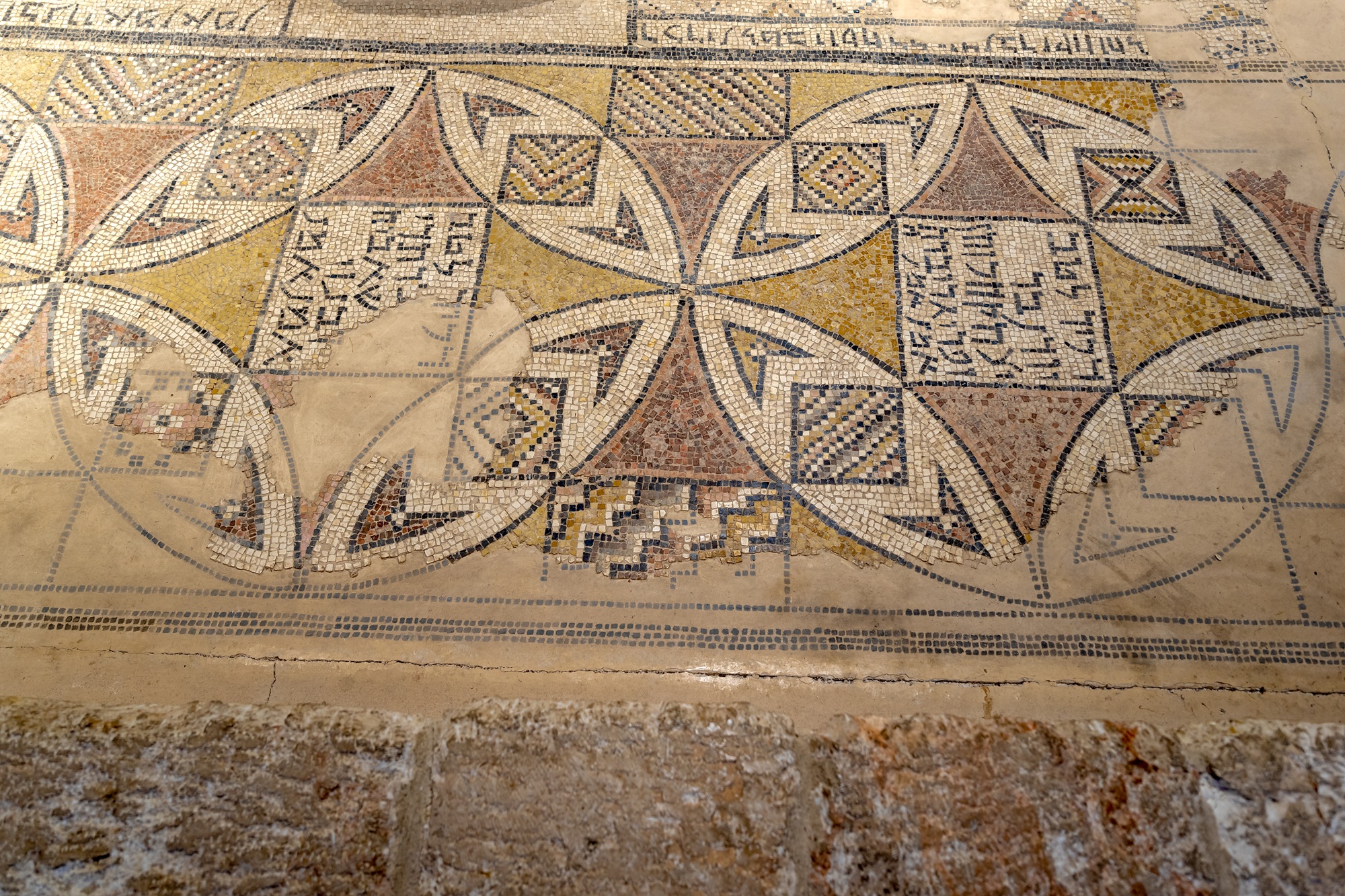 Start at Cana, site of Jesus’ first miracle, where excavations under the Catholic Church revealed evidence of an ancient synagogue and a stone vat. Continue to Nazareth, the childhood home of Jesus, tracking archaeological remains of dwellings and public structures from the first century. After a lunch break explore Sepphoris, the Roman capital of Galilee, with magnificent mosaics and streets reflecting the fusion of Jewish and Greco-Roman culture.
 Tour Akko, where excavations reveal Crusader fortifications, underground tunnels, and remnants of Medieval occupation beneath the city. Continue to Caesarea Maritima, Herod’s monumental port city, uncovering a Roman theater, aqueduct, amphitheater, and harbor structures that illustrate its strategic and economic importance. Explore remains of Roman baths, decorated mosaic floors, and the possible prison of Paul. Conclude at Jaffa, an ancient port where excavations revealed finds linked to biblical events.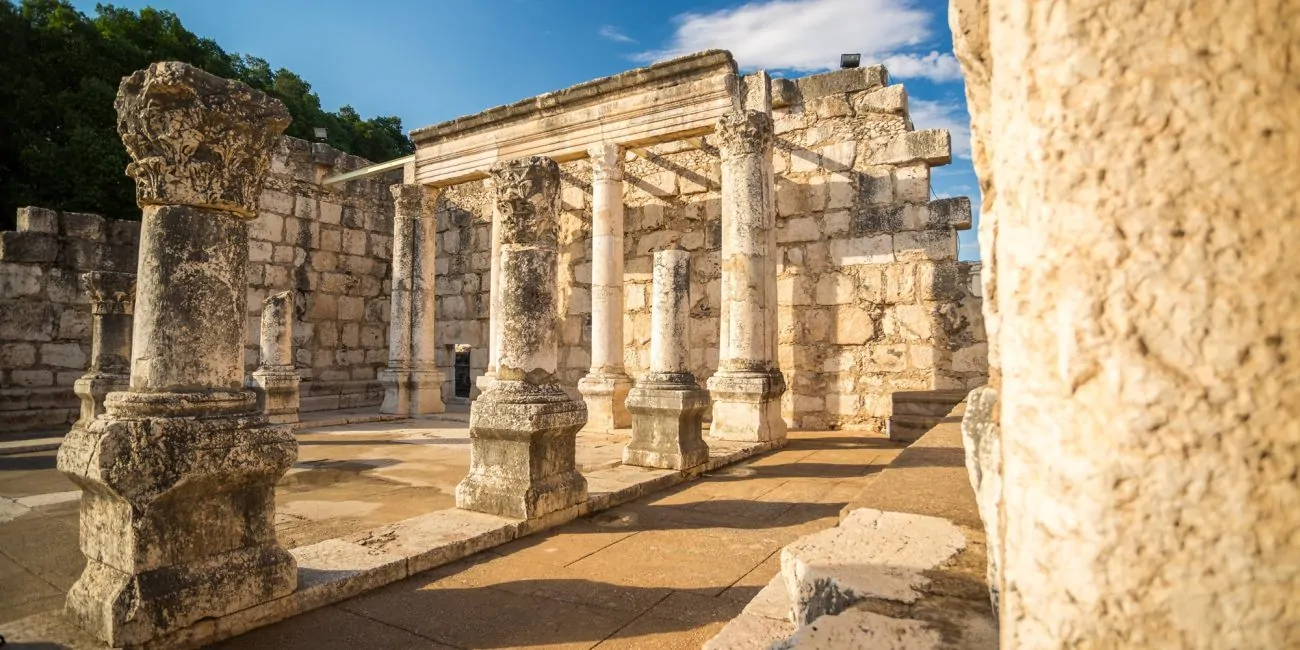
Exploring Biblical Heritage
This 10-day journey uncovers Israel’s most significant archaeological sites, where scripture, history, and material culture converge. Your private guide, an expert in biblical archaeology, will connect ruins, artifacts, and ancient landscapes directly to the biblical narrative. Sites are interpreted in both historical and biblical context, turning every ruin, mosaic, and synagogue into a vivid story of faith, culture, and human history.