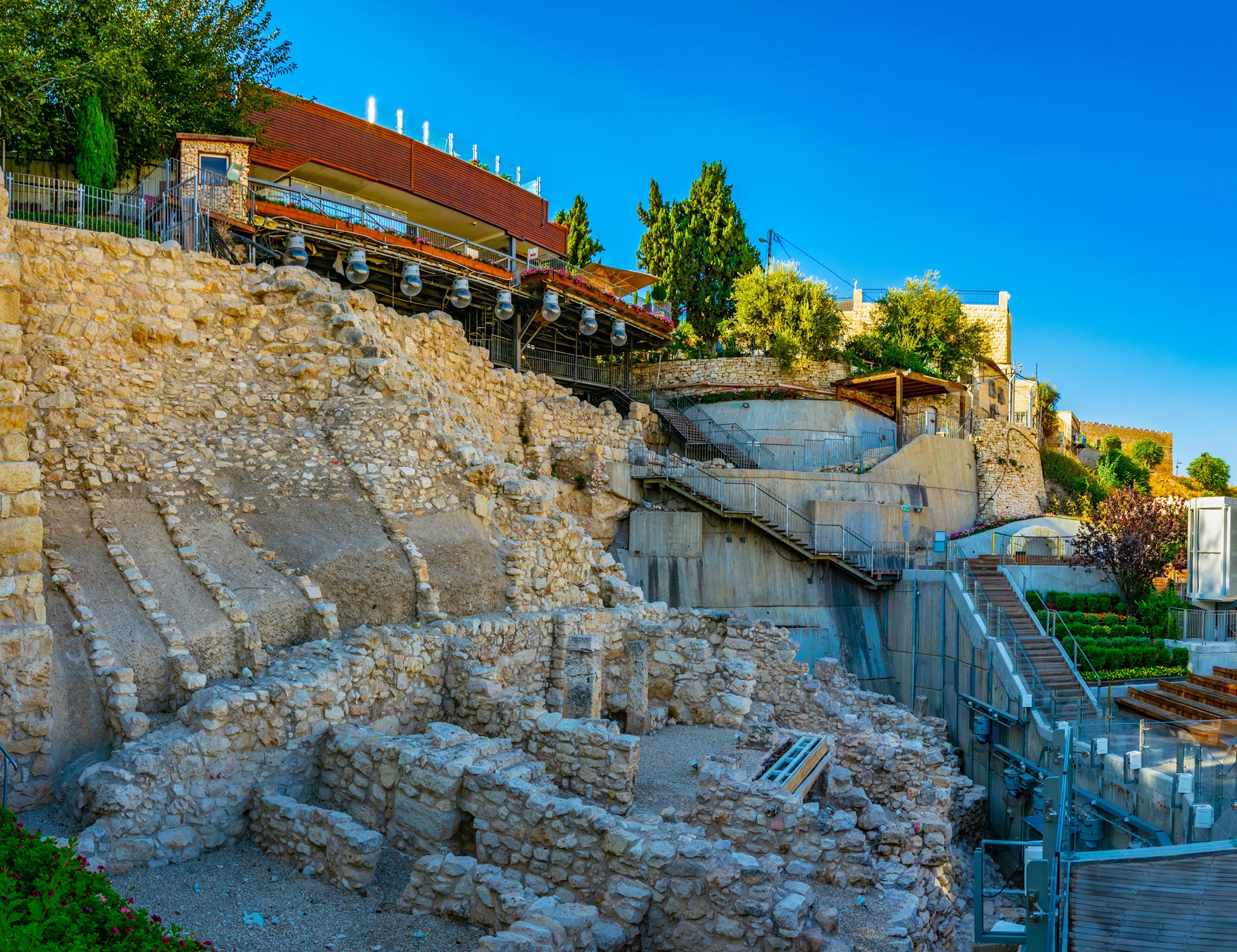
 The City of David is the birthplace of Jerusalem, where the earliest layers of the city were uncovered. Archaeologists revealed monumental fortifications, stone houses, and remains possibly linked with royal structures from the time of King David. Among the most remarkable finds is Hezekiah’s Tunnel, an underground passage carved through solid rock in the eighth century BCE to protect Jerusalem’s water source during the Assyrian siege. Visitors can still walk this cool, narrow tunnel, which ends at the Pool of Siloam, a site of ritual purification for pilgrims before entering the Temple
 The Southern Wall Archaeological Park preserves the monumental entrance to the Temple Mount, where pilgrims once ascended broad steps to reach the sacred complex. Here you can see mikvaot, or ritual baths, carved into the rock, where worshippers purified themselves before entering the Temple. Nearby stands the Western Wall, the holiest accessible remnant of the Temple Mount, built with massive Herodian stones weighing many tons. Excavations here revealed not only the grandeur of the complex but also the vibrant daily life that surrounded it, including markets, shops, and streets once crowded with pilgrims.
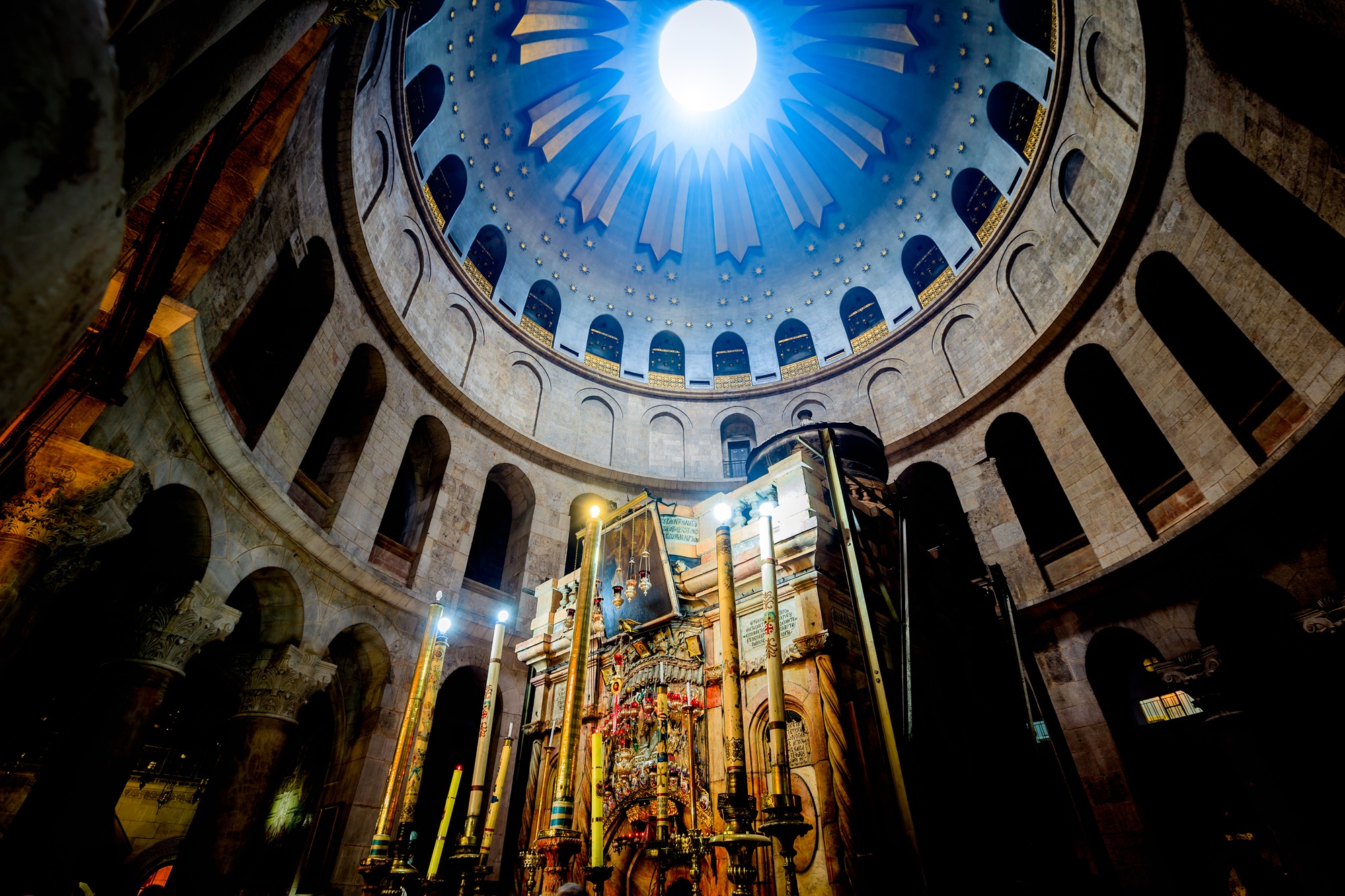 Walking the Via Dolorosa, you trace the traditional path of Jesus on his way to the crucifixion. Along this route, chapels and stations recall moments of his suffering, blending devotion with archaeology. The journey culminates at the Church of the Holy Sepulchre, revered as the site of Jesus’s crucifixion, burial, and resurrection. Here, centuries of construction and rebuilding have left a complex of shrines and chapels. Archaeological studies beneath uncovered occasional Roman, Byzantine, and Crusader finds, creating one of the most layered sacred spaces in the world.
 At Tel Beth-Shemesh, overlooking the Sorek Valley, the landscape brings biblical stories vividly to life. According to the Bible, this is where the Ark of the Covenant was returned by the Philistines after months in captivity. Excavations uncovered fortifications, cultic areas, and domestic quarters, shedding light on Israelite life on the border between Judah and Philistia. Standing here, you connect scripture with amazing visible remains of when the Ark was received with joy and reverence.
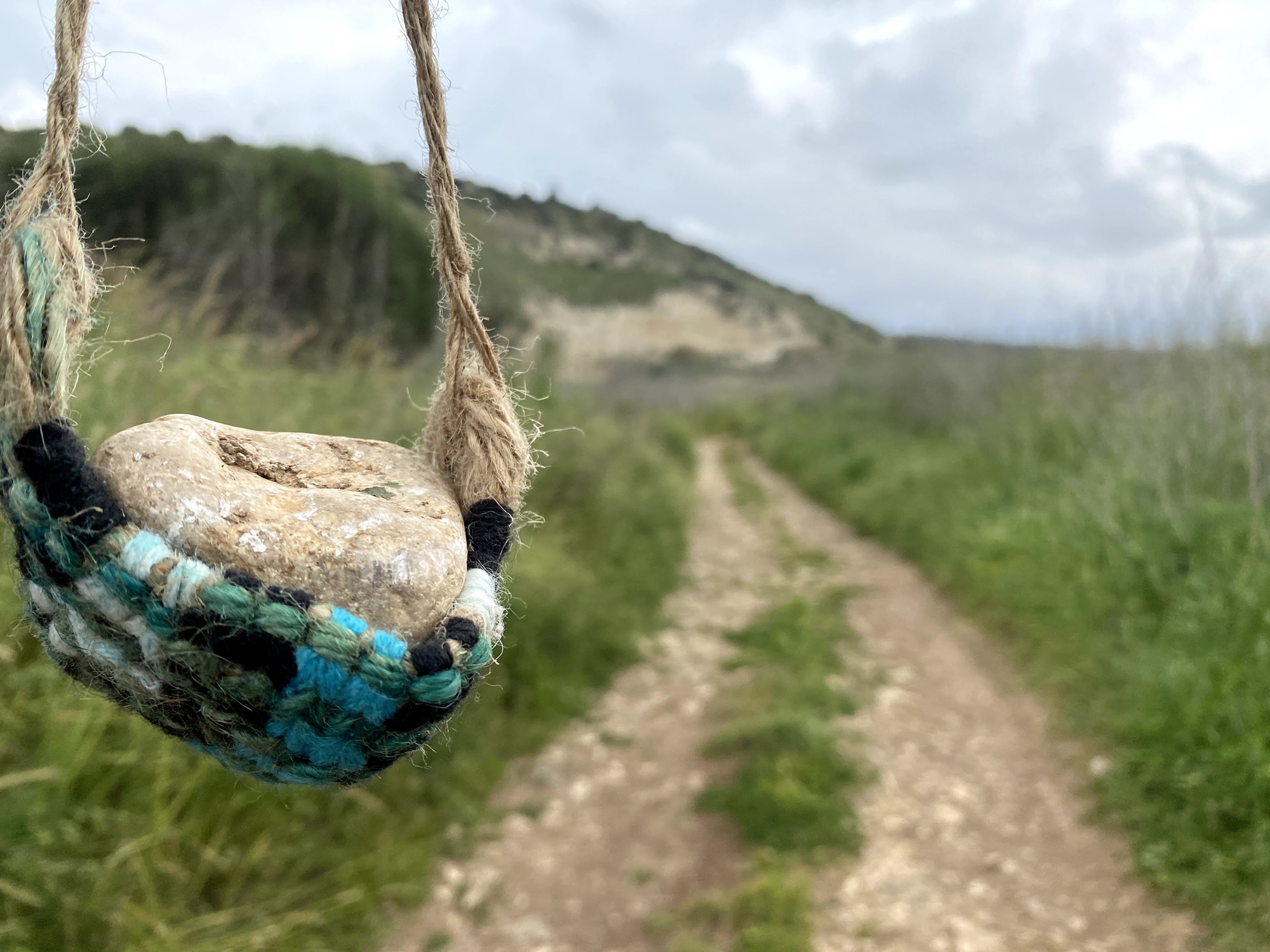 From the summit of Tel Azeqah, you look over the Elah Valley, the setting of the famous battle between David and Goliath. The valley floor below matches the biblical description, making this one of the most evocative biblical landscapes in Israel. Excavations of the tel revealed city walls, fortifications, and pottery that testify to the site’s long occupation during the Canaanite and Judean kingdoms. And looking over the valley, you can picture the tension of the standoff, and David’s courageous act that changed history.
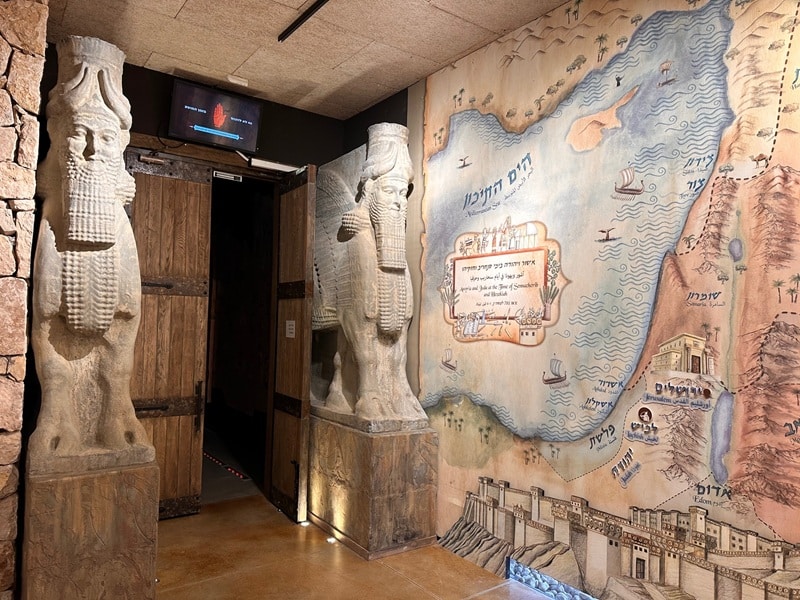 The great city of Lachish was second only to Jerusalem in the Kingdom of Judah. Excavations revealed an impressive gate complex, palace structures, and evidence of its destruction by the Assyrians under King Sennacherib in 701 BCE. The city’s fall was so significant it was memorialized in carved reliefs displayed in the Assyrian capital of Nineveh, today preserved in the British Museum. At the site itself, the new Visitors Center presents a striking replica of these reliefs, allowing you to see the dramatic scenes of the siege as Sennacherib’s artists depicted them. Walking among the ruins and then viewing these reconstructions makes the story of Lachish come alive with both archaeological and artistic detail.
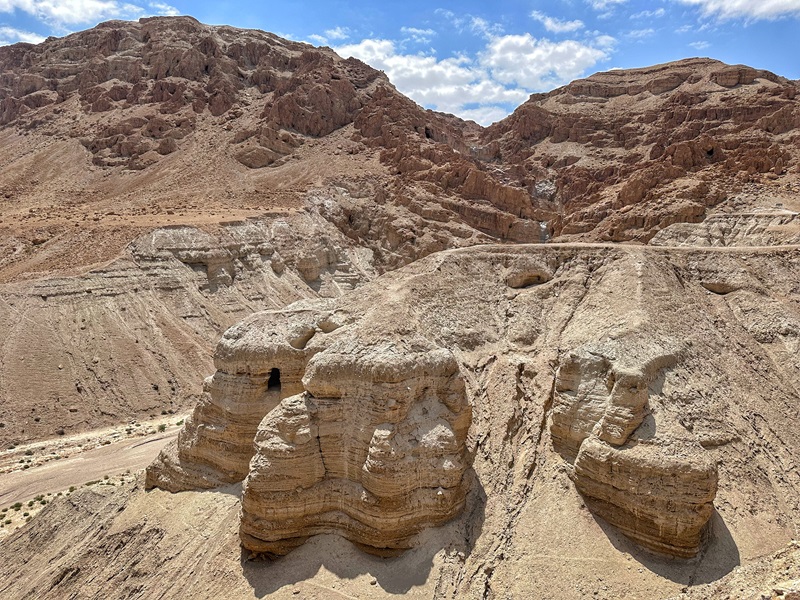 Begin with a panoramic view of Jericho, often called the world’s oldest city, with remains dating back over ten thousand years. Though today you see it from a distance, the ancient mounds evoke stories of Joshua and Israel’s early conquests, and Jesus’ passing through the city. Continue to the Qumran Caves, where the Dead Sea Scrolls were discovered, one of the greatest archaeological finds of the twentieth century. The scrolls include biblical manuscripts, sectarian texts, and hymns, shedding light on Jewish faith in the Second Temple period. Excavations at the nearby settlement revealed ritual baths, communal halls, and pottery workshops, giving a picture of the community believed to have hidden the scrolls.
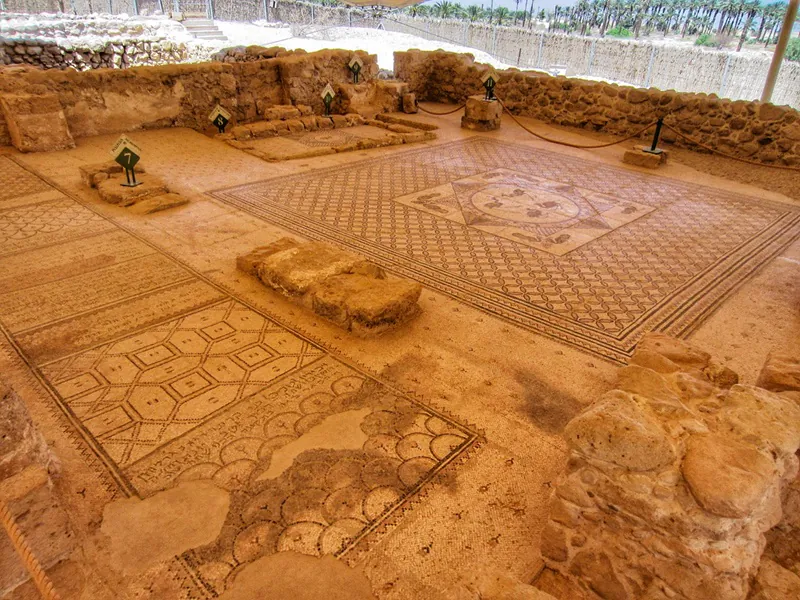 Next, travel to Ein Gedi, a flourishing desert oasis famous for its springs and wildlife. The natural beauty of waterfalls and lush vegetation contrasts sharply with the surrounding desert cliffs. Within this oasis lies the ruins of an ancient synagogue, dating to the Byzantine era. Its mosaic floor, decorated with inscriptions and geometric patterns, offers a glimpse into the life of a Jewish community that thrived here from the manufacturing of a perfume.
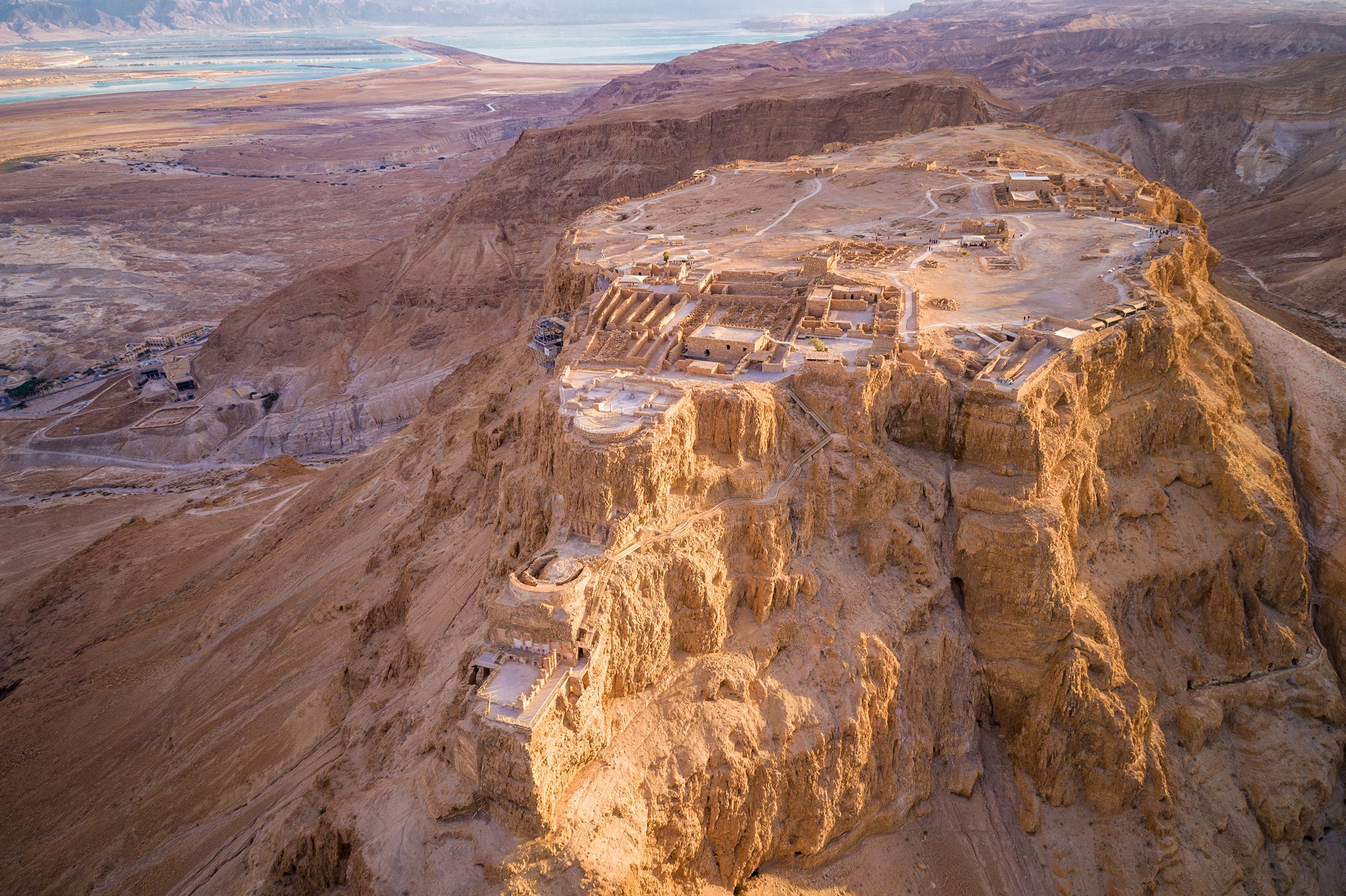 Conclude with Masada, the dramatic desert fortress of King Herod, perched high above the Dead Sea. Herod built lavish palaces, storerooms, and bathhouses here, making the fortress both a stronghold and a refuge of luxury. Later, Masada became the site of the Jewish rebels’ final stand against Rome in 73 CE, a story of determination and tragedy. Archaeological remains, including weapons, food storage, and Roman siege works, vividly reconstruct the drama of the siege. After exploring the ruins, enjoy an optional float in the Dead Sea, the lowest point on earth, whose mineral-rich waters have been valued since antiquity for healing and preservation.
Explore the Ancient Land
This 3-day private tour is designed for travelers passionate about archaeology, history, and the Bible. It takes you from Jerusalem’s oldest excavations through the battlefields of the Judean lowlands and into the dramatic landscapes of the Dead Sea. Your guide will provide both historical interpretation and cultural context, weaving together the stories of prophets, kings, and common people who shaped this land.